Hi, what do you want to do?






Geography Now
Geography Now! Kenya
Many people identify it as the source of their coffee, but Kenya is more than just home to the latest brew. Kenya, known as God's resting place, is famous for its stunning scenery and serves as the financial hub of East and Central...

Geography Now
Geography Now! Iceland
First colonized by Vikings, Iceland is home to a unique blend of Nordic and Celtic cultures. The geothermal island is experiencing a tourism boom and is learning how to navigate the world stage. A video resource profiles the culture,...

Geography Now
Geography Now! Burkina Faso
Burkina Faso has a diverse physical geographical profile, ranging from deserts to lush forests. It's also undergone radical political transformations, including moving from being a French colonial holding to an independent nation....

Geography Now
Geography Now! Burundi
Burundi's natural deposits of elements and cash crops support the developing economy, but its people define the unique African nation. The country is a mirror image of its neighbor, Rwanda, with civil war and political strife. A video...

Geography Now
Geography Now! The Bahamas
It's the richest country in the Caribbean, and it's home to swimming pigs. Meet The Bahamas: former enclave for pirates, current home to a bustling tourism industry. Scholars learn the origins and geography of the stunning group of...

Other
Center on Congress: Teaching With Primary Resources
Website for students and teachers using primary resources to explore historical events to learn about the U.S. Congress. Includes lesson plans and interactive activities.
Sophia Learning
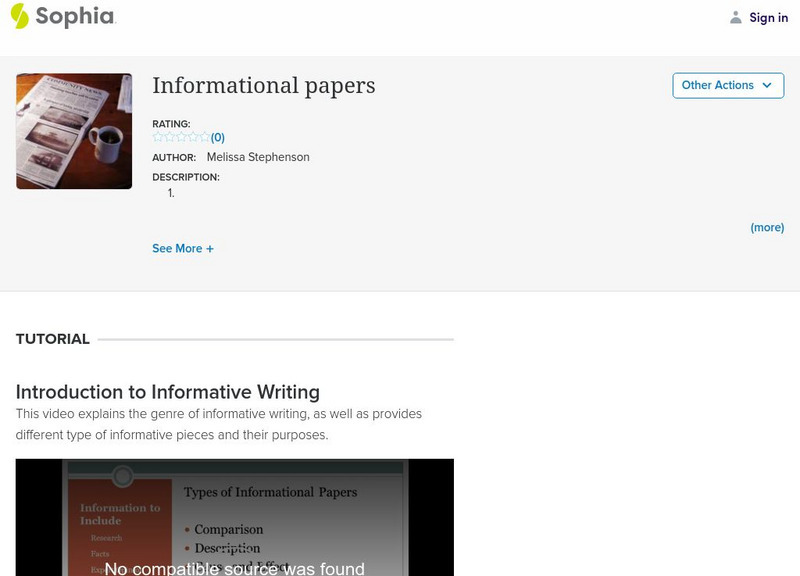
Sophia: Informational Papers
This tutorial offers 6 videos focuses on writing informative papers; the first video includes general information and the three requirements of all informative papers. The next 5 videos explain one of the following types of informative...
Crash Course
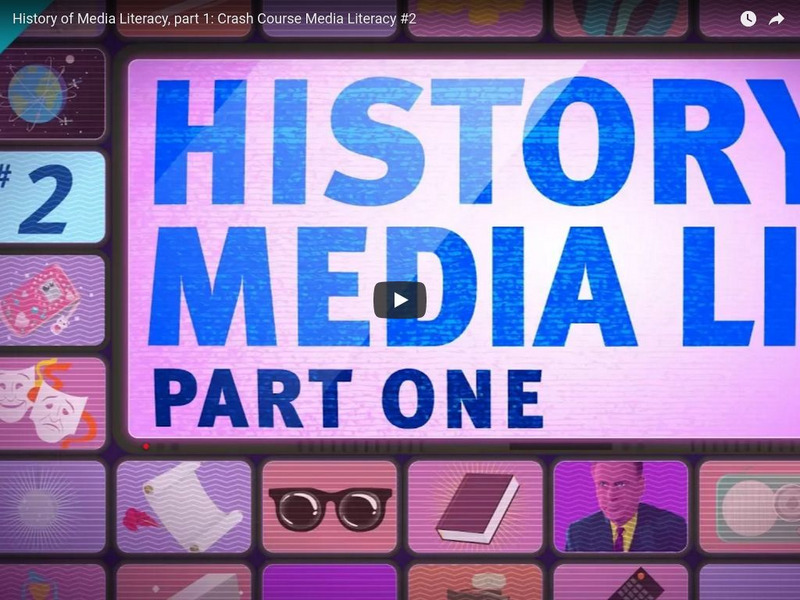
Crash Course Media Literacy #2: History of Media Literacy, Part 1
In order to understand the history of media literacy, we have to go all the way back to straight up literacy. In the first half of our look at the history of media literacy, Jay takes us all the way back to Ancient Greece and forward...

Annenberg Foundation
Annenberg Classroom: The Legislative Process: How a Bill Becomes a Federal Law
Video [19:00] in which Senator Diane Feinstein and Representative Pete Sessions discuss with a group of high school students the legislative process. An informative explanation with visuals and anecdotal information to support...

PBS
Pbs Learning Media: Founding Principles: Congress
Learn more about Congress and why it's so important for a healthy democracy. Through a study of foundational documents like the Constitution and completing a careful analysis of lawmaking (and lawmakers!) students learn why Congress is...
Indiana University
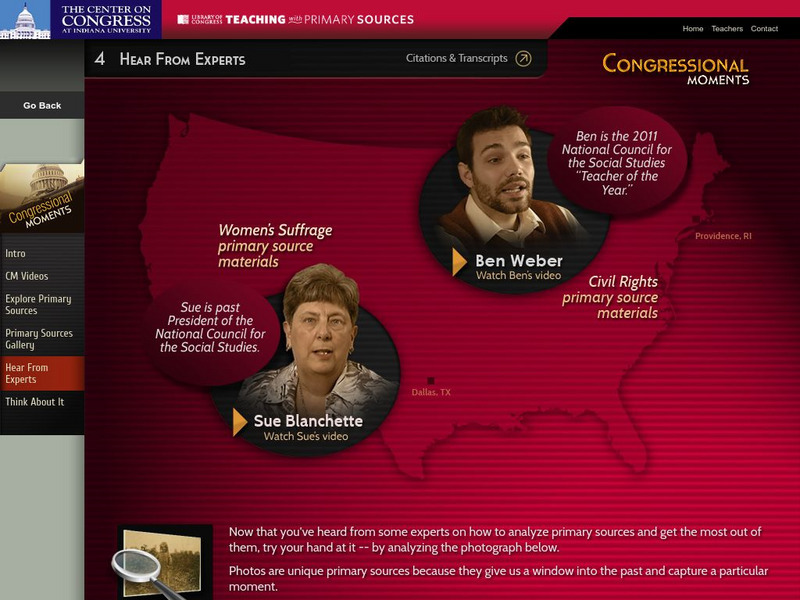
The Center on Congress: Congressional Moments: Hear From Experts
Hear expert advice on how to analyze primary sources then use what you learned to analyze the photograph shown.
Center For Civic Education
60 Second Civics: How Congress Functions: Pt. 15: Resolutions
Resolutions in Congress can be simple or joint. They can be proposals for laws, for constitutional amendments, or for other matters.
Center For Civic Education
60 Second Civics: How Congress Functions: Pt. 21: Majority Support
At every stage in the process of becoming a law, a bill is scrutinized and must have majority support for it in order to be moved along.
Center For Civic Education
60 Second Civics:achievements of the Articles of Confederation Part 1
Today we delve into constitutional history by examining the achievements of the Articles of Confederation.
Center For Civic Education
60 Second Civics:attempts to Reform the Articles of Confederation Part 1
Today we discuss attempts to solve the problems of the Articles of Confederation.
Sophia Learning
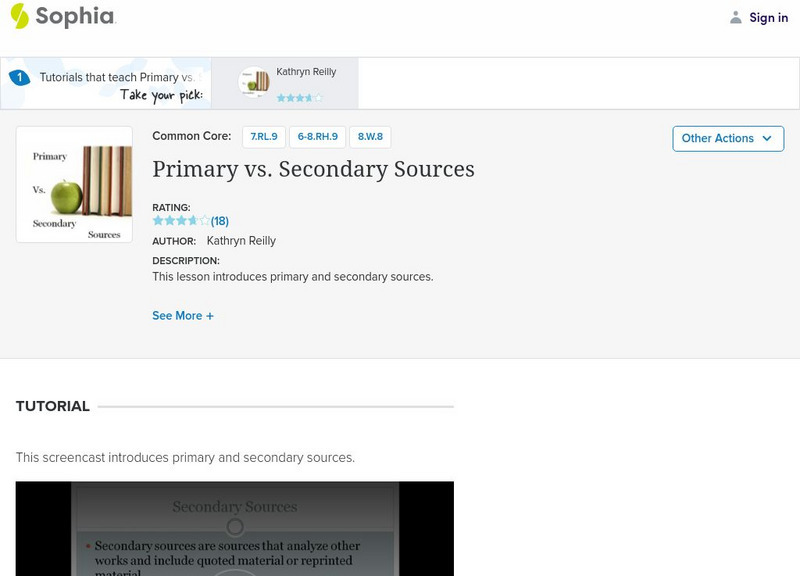
Sophia: Primary vs. Secondary Sources: Lesson 2
This lesson introduces primary and secondary sources. It is 2 of 2 in the series titled "Primary vs. Secondary Sources."
Crash Course
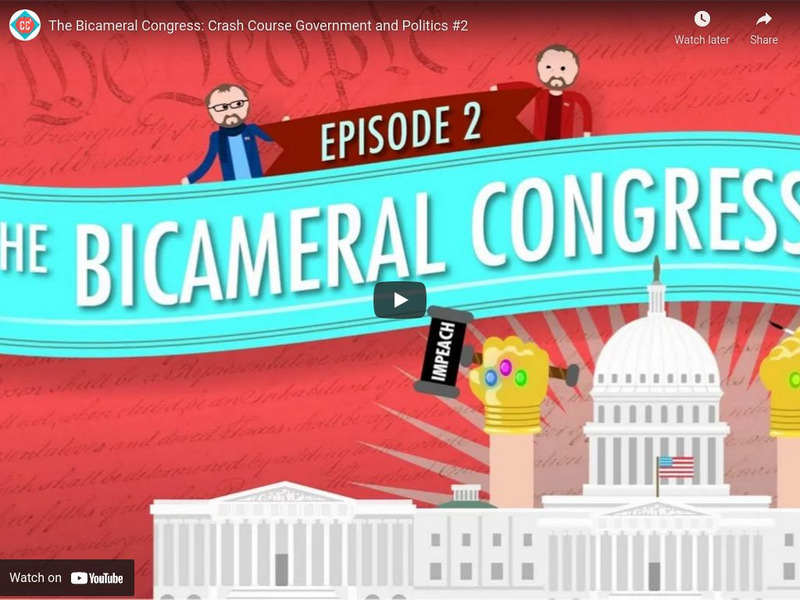
Crash Course Government and Politics #2: The Bicameral Congress
Crash Course video in which Craig explains what it means to have a Bicameral Congress discussing some of the history behind our Legislative Branch. [9:04]
PBS
Pbs: Indian Pride: Spirituality, Part 4
A member of the Northern Cheyenne Tribe of Montana tells about the origins of a song, then shares the song using a traditional instrument.
HipHughes History
You Tube: Congress for Dummies Article 1 of the Constitution
The second in the Constitution for Dummies series, in this lecture HipHughes takes you through Article I of the Constitution examining all ten sections outlining Legislative Powers.
HipHughes History
You Tube: The Bill of Rights Hand Game: Us History Review
The Bill of Rights explained for students studying US History and Govenrment.
Sophia Learning
Sophia: Writing Annotated Bibliography Source Summaries
This lesson goes over how to summarize a source for an annotated bibliography. This tutorial lesson shares a short screencast [4:16] with the lesson's content. [4:16]
Other
The Seahorse Project: Finding the Main Argument in Academic Writing
This video gives you hints on how to read a book chapter or journal article so that you can find the author's argument. [2:50]