Hi, what do you want to do?






Bozeman Science
Nuclear Energy
In this video Paul Andersen explains how nuclear energy is released during fission of radioactive uranium. Light water reactors, nuclear waste, and nuclear accidents are also discussed along with the future of nuclear energy.
Curated Video
Why Thorium Nuclear Power May Be the Future of Clean Energy
Nuclear power may not be as bad as you think. If we used Thorium instead of Uranium, we could greatly decrease dangerous radioactive by-products. There is enough Thorium in the world to meet all our energy needs...
TED Talks
TED: Why stay in Chernobyl? Because it's home. | Holly Morris
Chernobyl was the site of the world's worst nuclear accident and, for the past 27 years, the area around the plant has been known as the Exclusion Zone. And yet, a community of about 200 people live there -- almost all of them elderly...
Curated Video
The Legacy of Chernobyl: Nuclear Power, Catastrophe, and the Path Forward
This video provides a chilling account of the Chernobyl nuclear disaster, highlighting the catastrophic consequences of the meltdown at reactor #4. It delves into the initial secrecy surrounding the incident, the evacuation of thousands...
Curated Video
Chernobyl Disaster
In 1986, the Chernobyl nuclear power plant exploded. What caused the explosion and why has Chernobyl become a lasting reminder of the dangers of nuclear power? Earth Science - Earth's Resources - Learning Points. The world's first...
Next Animation Studio
International Atomic Energy Agency ‘monitoring developments’ after Russia captures Chernobyl nuclear plant
The International Atomic Energy Agency says it is ‘monitoring developments’ after Russia captured the Chernobyl nuclear plant
Next Animation Studio
Chernobyl gets converted into solar power plant
Ukraine has just unveiled a solar power plant just 100 meters from Chernobyl's nuclear site in which a nuclear disaster occurred 30 years ago.
Next Animation Studio
Nuclear activity rises at Chernobyl
Scientists have recorded a rise in fission reactions around the destroyed nuclear reactor at the Chernobyl Nuclear Power Plant, according to New Scientist.<br/>
Vlogbrothers
What /Actually/ Happened at Chernobyl
This video was so dang fun to research, which, of course, I feel super guilty about because, like, real people died. But, after watching the HBO miniseries, I knew there was more to the science of this. I've also heard a lot of stuff...
Institute for New Economic Thinking
Tackling the Energy & Environmental Challenges of the 21st Century
How well do our assumptions about the global challenges of energy, environment and economic development fit the facts? That is a question with which Professor Michael Grubb, Chair of Energy and Climate Policy at the Cambridge...
Curated Video
Nuclear Power
How is this powerful and controversial energy source produced? Do the advantages outweigh the dangers of nuclear power? Earth Science - Earth's Resources - Learning Points. Nuclear power is created using uranium, and small amounts can...
Next Animation Studio
Zaporizhzhia nuclear power plant is safe, according to experts
The International Atomic Energy Agency has expressed ‘grave concern’ over Russia’s capture of the Zaporizhzhia nuclear power plant, but experts believe it is safe for now.
Higgsino Physics
Why you can live in Hiroshima but not in Chernobyl
Radiation and fallout in Hiroshima vs in the Chernobyl accident. Hiroshima and Chernobyl both suffered a major atomic disaster, where radioactive atoms was released. Hiroshima was nuked by the uranium fissile atomic bomb, little boy...
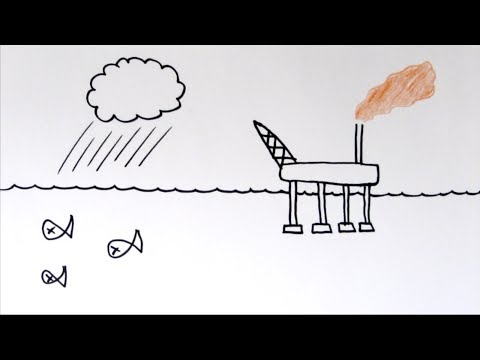
DoodleScience
Non-Renewable Energy Resources | GCSE Physics | Doodle Science
Follow me!href='https://twitter.com/DoodleSci' target='_blank' rel='nofollow'>me! Doodle Science teaches you high school physics in a less boring way in almost no time! Script: Fossil fuels are non-renewable energy resources; these...
AllTime 10s
10 Corporations That Almost Destroyed The World
Screw it, capitalism is destroying the world.

Crash Course
Humans and Energy: Crash Course World History 207
Is flipping a switch and lighting up a room normal or miraculous? It depends where—and when—you live. Crash Course World History covers historical uses of energy, current uses of energy, and the possible future uses of energy with an...

Veritasium
The Most Radioactive Places on Earth
Spoiler alert! The most radioactive place on Earth may be much closer than you think! Explore some of the world's radioactive hot spots with an engaging video from the Veritasium playlist. Content includes the units used to measure...