Hi, what do you want to do?






Curated Video
What is a life cycle?
Humans, frogs and poppies all have very different life cycles.
<
br/>
Life processes - Living processes
- Life cycles
Learning Points
The stages of development from birth t
o
death are known...
<
br/>
Life processes - Living processes
- Life cycles
Learning Points
The stages of development from birth t
o
death are known...
Mazz Media
Life Cycle
This live-action video program is about the term life cycle. The program is designed to reinforce and support a student's comprehension and retention of the term life cycle through use of video footage, photographs, diagrams and...
Curated Video
What Happens to Your Atoms After Death? A Scientific View
What happens to your atoms when you die? About 100 billion people have died since the dawn of humanity. Since the law of conservation of matter says that matter cannot be created or destroyed, all their atoms...

Big Think
Black hole death: How extreme tidal forces turn humans into spaghetti | Michelle Thaller
- Like ocean tides caused by gravity, a nearby black hole would create a 'tide' inside your body, which is mostly water. - As your body drew nearer to the black hole, your head would be stretched away from your feet. - Scientists call...
SciShow
The Impact of Diseases | Disease Ecology Explained
Guest Dr. Angie Luis is here to tell Hank about what happens when wildlife spreads diseases to humans—as we know from history, it can get ugly. Joining them is Jessi, who brings some wildlife that's totally unproblematic! Learn more...
Crash Course
The Anthropocene and the Near Future: Crash Course Big History
In which John Green, Hank Green, and Emily Graslie teach you about the Anthropocene, an unofficial geological era that covers the last century or so, in which humanity has made massive progress. We've discovered the Higgs-Boson particle,...
TED-Ed
Why didn't this 2,000 year old body decompose? | Carolyn Marshall
It may not appear very lively six feet underground, but a single teaspoon of soil contains more organisms than there are human beings on the planet. From bacteria and algae to fungi and protozoa, soils are home to one quarter of Earth's...
Curated Video
An Overview of Major World Religions: Buddhism, Christianity, Hinduism, Islam, and Judaism
Religions of the world Explained: 5 of the worlds most widespread and influential religions are Christianity, Islam, Hinduism, Buddhism and Judaism. You may be surprised to learn that they all share...

Curated Video
Why Are Human Breasts So Big?
Breasts come in different shapes and sizes. They are unique to humans. More than 5,000 mammalian species inhabit this planet. Yet, Homo sapiens are the only life forms with permanent breasts. Some may call this human anomaly sexy. But it...

TED-Ed
At What Moment Are You Dead?
When is a person no longer living? This question has been puzzled over for millennia, but is there a clear answer? Watch as this video examines the biological line separating life and death.
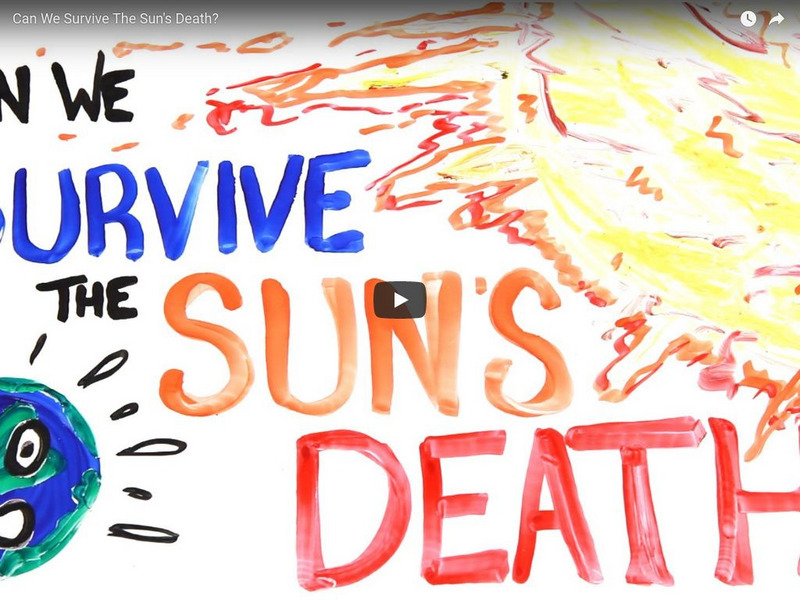
AsapSCIENCE
Asap Science: Can We Survive the Sun's Death?
Does humanity stand a chance against our sun's ultimate fate? Learn some surprising facts in this video.