Hi, what do you want to do?






Natural History Museum
Behind the lens: The beauty of baleen by Katanyou Wuttichaitanakorn | Natural History Museum
Katanyou's photo of a Bryde's whale has been awarded this year's Young Wildlife Photographer of the Year. Katanyou was lucky to see a Bryde's whale feeding so close to his boat. His winning image focuses in on the whale's baleen, which...

Natural History Museum
Why do female spotted hyenas have a pseudo-penis? | Natural History Museum
Spotted hyenas live in large clans and usually the highest rank in these societies is occupied by a female. Unlike most other mammals, female spotted hyenas have a pseudo-penis. This gives the female the power to be selective when...

Natural History Museum
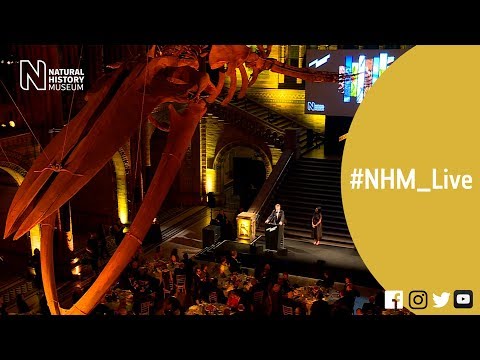
Wildlife Photographer of the Year Awards | #NHM_Live Special
Join our hosts to watch the #WPY54 awards ceremony in this #NHM_live special, broadcast live from the Museum's Hintze Hall, and be the first to find out who was crowned this year’s Young and Adult Wildlife Photographer of the Year....
Natural History Museum
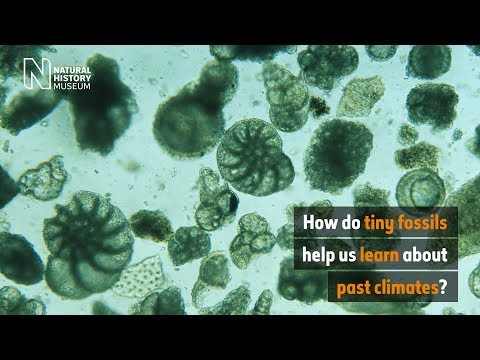
How do tiny fossils help us learn about past climates? | Natural History Museum

Natural History Museum
Would you live with your enemy? | Natural History Museum

Natural History Museum
Ask A Curator | #NHM_Live
What's the one thing you've always wanted to #AskACurator? For Ask A Curator Data 2018, we gathered Museum scientists Emma Bernard, John Hunnex and Erica McAlister ready to field your questions about museums, natural history, collecting...
Natural History Museum
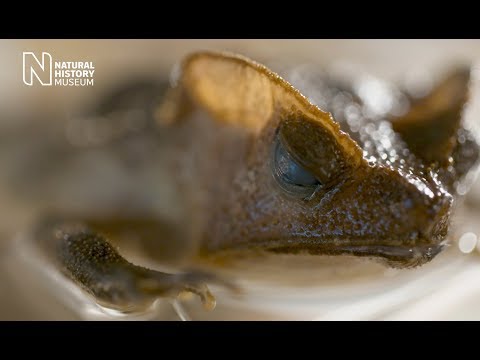
How do frogs see in the dark? | Natural History Museum

Natural History Museum
What is the elephantnose fish's secret ability? | Natural History Museum
Elephantnose fish are usually found in murky waters. Although it would be difficult for us to find our way around in their preferred habitat, these fish have developed a special sense that helps them see. Discover more animals that have...

Natural History Museum
The vampires of Wolf Island #WPY54 | Natural History Museum
When resources run short, the sharp-beaked finches of Wolf Island turn into vampires to survive. Dr Alex Bond, Senior Curator of Birds at the Museum, explains the unexpected behaviour of these small birds. Blood Thirsty, was captured by...

Natural History Museum
#WPY54 Winners | #NHM_Live
Join wildlife photographers and competition judges for a unique look at some of the winning images from this year's Wildlife Photographer of the Year Awards. Wildlife Photographer of the Year is the world's most prestigious nature...

Natural History Museum
Highlights from our year 2017/18 | Natural History Museum
Natural History Museum
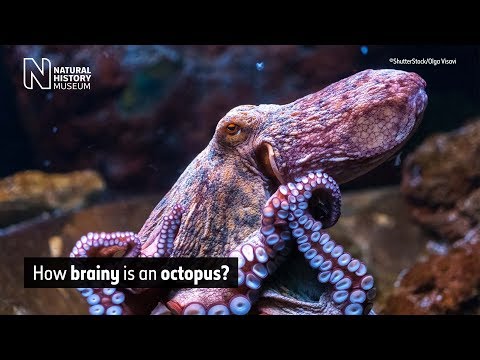
How brainy is an octopus? | Natural History Museum
It's a well-known fact that octopuses have eight arms. But did you know that each arm contains its own 'mini brain'? Museum curator Jon Ablett explains how this arrangement benefits these beguiling marine animals. Discover more examples...

Natural History Museum
Wildlife Photographer of the Year 54: Trailer | Natural History Museum
See the world through a new lensref='http://www.nhm.ac.uk/wpy' target='_blank' rel='nofollow'>lens Now in its fifty-fourth year, Wildlife Photographer of the Year showcases extraordinary animal behaviour and the breathtaking...

Natural History Museum
Can you find dinosaur fossils in Ireland? | Natural History Museum
Dinosaurs existed for over 170 million years and lived all over the Earth. You might expect to find fossil evidence of them everywhere you look, but only two dinosaur fossils have been found in Ireland. Dr Mike Simms, Senior Curator of...

Natural History Museum
How to make a light trap | Natural History Museum
Light traps are a great way to get to know your local wildlife. Find out how to build a simple light sheet so that you can go on your own insect spotting adventure (even if it's just to the bottom of your garden). Discover more about...

Natural History Museum
The beauty of light trapping | Natural History Museum
There is a huge variety of animals that are active after sunset. The absence of light can make spotting them a challenge, especially when it comes to insects. Dr Gavin Broad, Principal Curator in Charge of Insects at the Museum,...

Natural History Museum
What can survive a wildfire? | Natural History Museum

Natural History Museum
Fishy faces, fur and feathers | #NHM_Live
In the first #NHM_Live of 2019 we round up the latest natural history news, take a tour of the Museum's cutting edge digitisation labs, and introduce you to some faces only an ichthyologist could love. Join us for the live broadcast from...

Natural History Museum
Spiders, cetaceans and skeletons | #NHM_Live
In our November edition of #NHM_Live we’ll hear from our experts on some recent natural history news before venturing into one of the Museum’s lesser-seen spaces to discover some striking skeletal specimens. Watch the live broadcast at...

Natural History Museum
Specimen stores and lights at night | #NHM_Live
In December's #NHM_Live we're heading behind the scenes, meeting scientists and uncovering some mysterious specimens. Join us for the live broadcast from 17:30 GMT on Weds 12 Dec, when we’ll be taking your questions throughout the show...

Natural History Museum
Why did T. rex have small arms? | Natural History Museum
Tyrannosaurus's tiny arms are often joked about. But were their surprisingly muscular limbs actually more useful than they're given credit for? Museum scientist Kieran Miles explains some of the theories for what these famous dinosaurs...

Natural History Museum
Diving in the dark: exploring underground realms | Natural History Museum
Our drive to understand the evolutionary history of life on Earth leads us to search for clues deep underground. Cave divers are at the forefront of this research, helping us access some of the deepest and darkest subterranean and...