Hi, what do you want to do?






Natural History Museum
Inspirational teachers | Natural History Museum

Natural History Museum
A dinosaur deconstructed | Natural History Museum
Moving a dinosaur is never easy. Museum conservators pack Dippy the Diplodocus skeleton into boxes, one bone at a time, as part of the preparation for #DippyOnTourtp://bit.ly/YT-Dippy-Deconstructed' target='_blank'...

Natural History Museum
Can we reverse biodiversity loss? | Natural History Museum
Alarming data has emerged about global species loss in terrestrial ecosystems. Find out how a huge data set is revealing what could happen if land-based species loss continues, and what we can do about it. This research is part of the...

Natural History Museum
How do you move a giraffe around the Museum? | Natural History Museum
With low ceilings and narrow doorways in between, just how do you move a specimen as tall as a giraffe from its old home in the Mammals Hall into Hintze Hall? Watch and find out. The move is part of the changes happening in Hintze Hall,...

Natural History Museum
Cotton buds and plumber's tape with Arianna Bernucci and Cheryl Lynn | #NHM_Live
The Museum's conservators were the stars of our second #NHM_Live broadcast in Feb 2017, where we took a look at how they repair and maintain the millions of specimens in the collections. Camilla Tham and Alison Shean were joined by...

Natural History Museum
What have the flies ever done for us? with Duncan Sivell and Martin Hall | #NHM_Live
Fly expert Duncan Sivell and forensic entomologist Martin Hall were with host Camilla Tham discussing the many ways in which flies (and their maggots!) are important. From helping the police to identify time of death at a crime scene to...

Natural History Museum
The light of the lanternfishes | Natural History Museum


Natural History Museum
Tropical butterfly house 360 tour | Sensational Butterflies | Natural History Museum
Natural History Museum
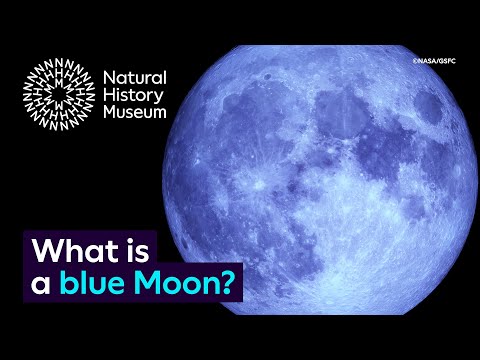
What is a blue Moon? | Natural History Museum
You may be familiar with the Moon turning red during lunar eclipses, but did you know that it can sometimes appear to have a blue hue? Martin Mangler, a volcano researcher at the Museum, explains what causes a blue moon. Discover more...

Natural History Museum
Lucy Cooke explores weird and wonderful flies at the Museum | Natural History Museum
Dr Erica McAlister sets out to convince bestselling author and broadcaster Lucy Cooke that flies are more than buzzing menaces and deserve our admiration, respect and thanks. Head behind the scenes as Erica reveals some of her favourite...

Natural History Museum
How to make a butterfly feeder | Natural History Museum

Natural History Museum
What is Coral | Natural History Museum

Natural History Museum
Fact or Fiction? The Myth-busting Gameshow | Lates Online
Dinosaurs are birds, there isn’t such thing as a fish, and there aren’t nine planets orbiting the Sun. Science evolves and changes. But sometimes keeping up with science is even harder than keeping up with the Kardashians. Join us to...

Natural History Museum
The Urgency of Biodiversity Action | Our Broken Planet
Global biodiversity loss is at the heart of the planetary emergency we all face. To reduce the current exponential rate of species extinction, we must take action now. Only by understanding how biodiversity affects every aspect our lives...

Natural History Museum
Can dolphins learn new languages? | Natural History Museum

Natural History Museum
What is a goose barnacle? | Natural History Museum

Natural History Museum
What does the Murchison meteorite smell like? | Natural History Museum
The Murchison meteorite, which fell in 1969, is a carbonaceous chondrite. At over 4.5 billion years old, chondrites are some of the most primitive and pristine rocks in the solar system. But one of the things that stands out about the...

Natural History Museum
The Biodiversity of Beetles | Live Talk with NHM Scientist
Beetles make up a quarter of all known animals in the world, with around 400,000 described species and probably many more still unknown to us. They evolved around 327 million years ago, and survived the biggest mass extinctions in our...

Natural History Museum
What do fossils tell us about animal behaviour? | Live Talk with NHM Scientist
What would it be like to see prehistoric animals as they lived and breathed? Fossils are not just inanimate objects. They can record the life stories of creatures as fully alive as any today, from mammoths fighting to their deaths to...
Natural History Museum
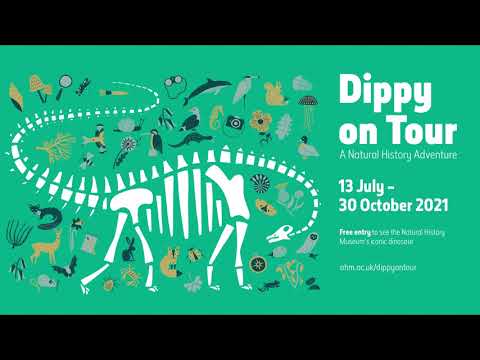
Dippy on Tour | Natural History Museum
Dippy, the Natural History Museum's much-loved Diplodocus cast, is going on a natural history adventure across the UK. Find out moreref='http://www.nhm.ac.uk/dippyontour' target='_blank' rel='nofollow'>more ---------------- The...
Natural History Museum
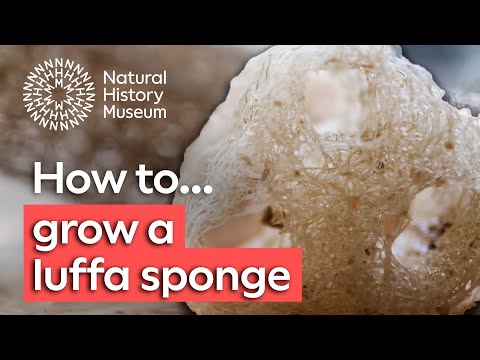
How to grow a luffa sponge | Natural History Museum
Did you know that you can grow loofah sponges at home? Natural loofahs are often confused with the sponges derived from ocean-dwelling animals, but they actually come from the dried out fruit of Luffa plants and can be a planet-friendly...
Natural History Museum
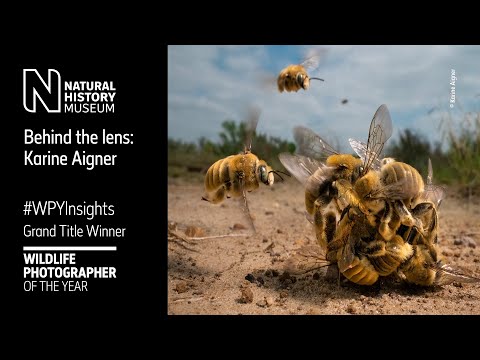
Behind the lens: The big buzz by Karine Aigner | Natural History Museum
Karine came across this buzzing ball of cactus bees by accident while on a drive around a ranch in Texas. At first, she thought their nests were ant nests. Discover the story behind this year's Grand Title winner with WPYinsights...