Hi, what do you want to do?






Natural History Museum
How Did A Walrus End Up in a London Graveyard? | Live Talk with NHM Scientist
In 2003 some rather strange bones were discovered in a London grave. Who or what did they belong to? How and why did they get there? Khalil Thirlaway asks archaeologist Phil Emery and scientist Richard Sabin these questions and more to...

Natural History Museum
How to make a plastic-free garland | Natural History Museum

Natural History Museum
Venom kills, but can it cure? | Live Talk and Quiz
Join us for a night with bite, as we discover some of the deadliest animals on Earth. Toxic Tales – 19:30-20:15 Venom hurts, but it can also heal. From fanged and scaly to cute and cuddly, join science communicator Alison Shean and...

Natural History Museum
How to make a polar bear snowflake | Natural History Museum

Natural History Museum
The Artistic Cannibals of the British Isles | Live Talk with NHM Scientist
The Magdalenians lived across Europe during the end of the last glacial period, 23,000 to 12,000 years before present. From Portugal to Poland, they also reached the British Islands, crossing from mainland Europe in a time when low...

Natural History Museum
Wildlife Photographer of the Year 56: Touring Exhibition Trailer | Natural History Museum
Wildlife Photographer of the Year is one of the longest running and most spectacular photography competitions in the world. Each year, professional and amateur photographers from all over the world submit almost 50,000 entries. The 100...

Natural History Museum
Meet a Wildlife Photographer | Live Talk
Wildlife photographer Aishwarya Sridhar is passionate about sharing the natural beauty of India with the world. Join Aishwarya in conversation with Khalil Thirlaway as they discuss her journey through wildlife photography so far and...


Natural History Museum
What lives at the bottom of the ocean? | Natural History Museum
Hydrothermal vents can be found on the ocean floor. They produce toxic chemicals and scalding water, but there are species that thrive in these harsh conditions. Did life begin at hydrothermal vents? Discover more about the hot springs...


Natural History Museum
Can you milk a snake? | Natural History Museum

Natural History Museum
Could a swan get bigger than an elephant? | Natural History Museum
Would you rather face one elephant-sized swan or seven swan-sized elephants? Museum scientist Carla Bardua explains how living on islands can affect the size of animals. Dormice are usually small animals, but a species the size of a...
Natural History Museum
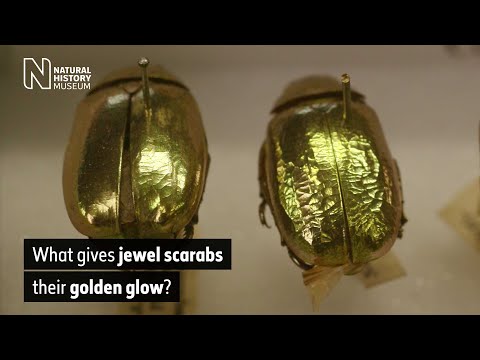
What gives jewel scarabs their golden glow? | Natural History Museum
Beetles come in a variety of colours, but some of the shiniest are jewel scarabs. Max Barclay, Senior Curator in Charge of the Museum's beetle collection, explains how they get their glorious golden hue. Meet some of the most...
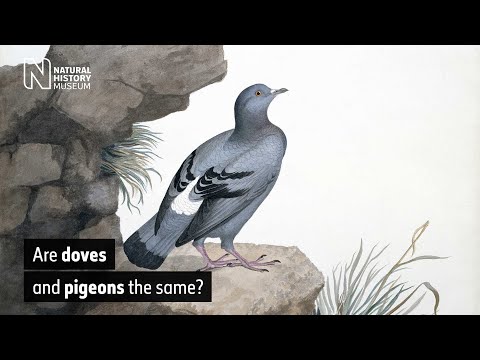
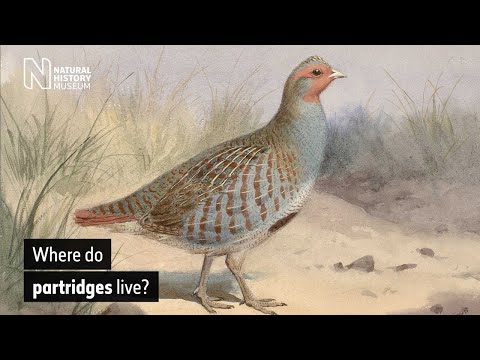
Natural History Museum
Where do partridges live? | Natural History Museum

Natural History Museum
Are Santa's reindeer female? | Natural History Museum

Natural History Museum
Is this the world's coolest insect? | Natural History Museum
When you think of the largest land-based animal in Antarctica, seals and penguins may come to mind, but they spend part of their lives at sea. The largest animal that spends its entire life on Antarctica is probably much smaller than you...

Natural History Museum
Can Mining Make the World a Greener Place? | Natural History Museum
Mining for new metals and minerals is vital to green technologies including solar panels, wind turbines and electric cars. Precious metals power our mobile phones and laptops. How does this fit with sustainable green futures? Can we even...

Natural History Museum
Winter Wildlife Quiz | #NHMHomeworkClub
Calling all teachers and parents! Put on your winter woollies and join us on Friday 29 at 10.30 GMT for our live winter wildlife quiz as part of #NHMHomeworkClub. The quiz will test your team's wildlife knowledge and get you using...

Natural History Museum
Bye Bye Plastic | Our Broken Planet
Plastic pollution has dominated headlines due to its widespread, damaging impact on oceans and natural environments. Although progress has been made, single-use plastic remains a big part of many people's lives. In this event we'll meet...

Natural History Museum
Dinosaur Quiz | #NHMHomeworkClub
Calling all teachers and parents! Join us on Friday 22nd at 10.30 for our live dino quiz as part of #NHMHomeworkClub. This quiz will test your team's dino knowledge based on some of the challenges from this week's Homework Club, but also...