Hi, what do you want to do?






Natural History Museum
How to make a bird feeder | Natural History Museum


Natural History Museum
Space, specimens, and dating strategies | #NHM_Live
In this month's #NHM_Live we're demonstrating dating techniques inspired by nature, as well taking our usual trip behind the scenes to explore the Museum's collections and hearing our scientists talk about their latest research. This...
Natural History Museum
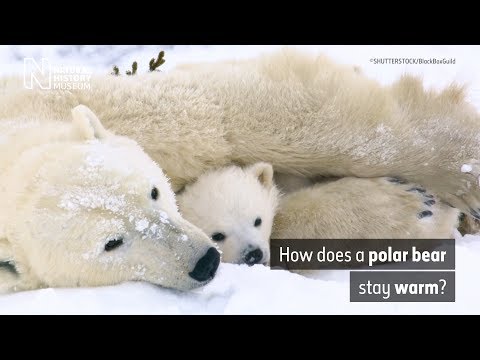
How does a polar bear stay warm? | Natural History Museum

Natural History Museum
What animal lays an egg like this? | Natural History Museum

Natural History Museum
What's wrong with this echidna in the collection? | Natural History Museum

Natural History Museum
Beetles and bloodsuckers | #NHM_live
In March's #NHM_Live we took a closer look at beetles and parasites from the collection, got the latest update on natural history in the news, and tested our viewers' knowledge with another mystery specimen. Watch more #NHM_Live...

Natural History Museum
Are spiders good mothers? | Natural History Museum
Step aside Spider-Man, here comes spider-mum. Many spiders protect their eggs with a silk pouch, but there's a species of jumping spider that takes things one step further. Jan Beccaloni, Curator of Arachnida and Myriapoda at the Museum,...

Natural History Museum
Beaver Walk 360 | Natural History Museum
Join us on a 360° loch-side walk in Knapdale to look for signs of beavers, an animal which has been successfully reintroduced to Scotland. For the first time in over 400 years the forests of Argyll in western Scotland are now home to the...

Natural History Museum
Fearsome fishes, predatory plants | Natural History Museum
In April's #NHM_Live broadcast, scientists from the recent #DY100 expedition join us in the studio to share some of the deep sea specimens discovered, and we go behind the scenes with Dr Fred Rumsey for an introduction to the curious...

Natural History Museum
Could you spot a wild carrot? | Natural History Museum

Natural History Museum
Can parasites use mind control? | Natural History Museum

Natural History Museum
Where did dinosaurs come from? | Natural History Museum

Natural History Museum
Do water voles really need water? | Natural History Museum
Water voles are normally found near waterways. But in 2008, Cath Scott, Biodiversity Officer at Glasgow City Council, was called to an unusual finding: water voles living in urban areas a kilometre away from any water. In this video,...


Natural History Museum
Why scan one of the most complete British dinosaurs? | Natural History Museum

Natural History Museum
What will you discover this summer? | Natural History Museum
Step into a world of discovery and explore 4.6 billion years of our planet at the Natural History Museum. Gaze up at a blue whale skeleton and say hi to the largest animal in the world. Come face-to -face with dinosaurs, stand beneath...

Natural History Museum
How to press flowers | Natural History Museum
Learn how to master the art of flower pressing. Try out this simple craft to decorate special cards, create beautiful art or even begin a scientific collection to record the plants growing in your garden. Read our top tips for pressing...

Natural History Museum
How to go rockpooling | Natural History Museum
Peering into a rock pool can reveal a fascinating submarine garden of beauty, teeming with interesting organisms. To get the most out of your trip to the seaside, all you need is some basic equipment and a small amount of planning. Read...

Natural History Museum
How to make a pitfall trap | Natural History Museum

Natural History Museum