Hi, what do you want to do?






Canada Science and Technology Museum
Canadian Science and Engineering Hall of Fame
The Canada Science and Technology Museum pays tribute to Canadian scientists and innovators in its Canadian Science and Engineering Hall of Fame. Learn more about individual Hall of Fame members by clicking on their names. Among these...
Other
The Canadian Science and Engineering Hall of Fame Resource for Teachers
An interesting collection of science and engineering lesson plans and activities for students. Covers a wide range of grades.
PBS
Pbs Learning Media: Engineer a Crop: Transgenic Manipulation
You're the geneticist now. In this interactive feature developed for the companion Web site for NOVA/FRONTLINE: "Harvest of Fear," use the latest in genetic technology to engineer your own "supercrop" of tomatoes.
TeachEngineering
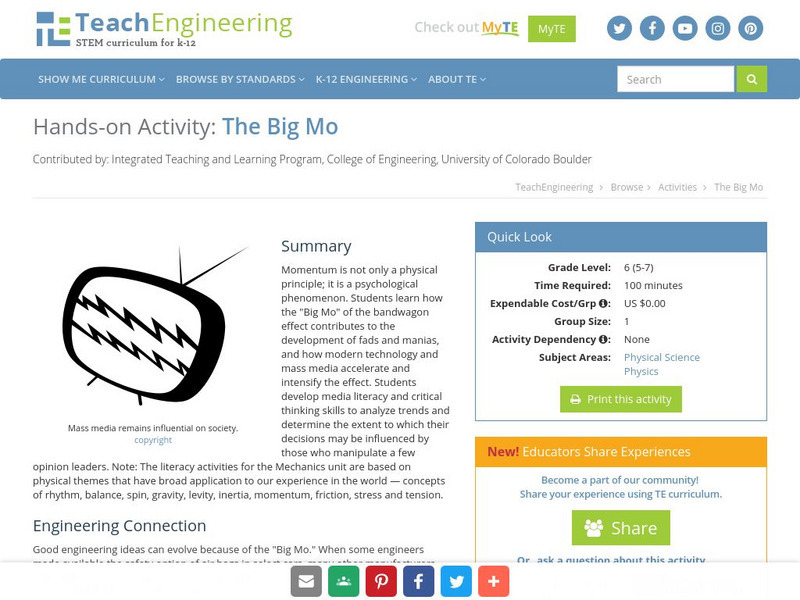
Teach Engineering: The Big Mo
Momentum is not only a physical principle; it is a psychological phenomenon. Students learn how the "Big Mo" of the bandwagon effect contributes to the development of fads and manias, and how modern technology and mass media accelerate...
TryEngineering
Try Engineering: Engineering Air Traffic
Students work in teams to explore how radar and computer technology is used to provide the necessary data to air traffic controllers. Students become "engineers" as they work to find ways to enhance the current air traffic control system.
TeachEngineering
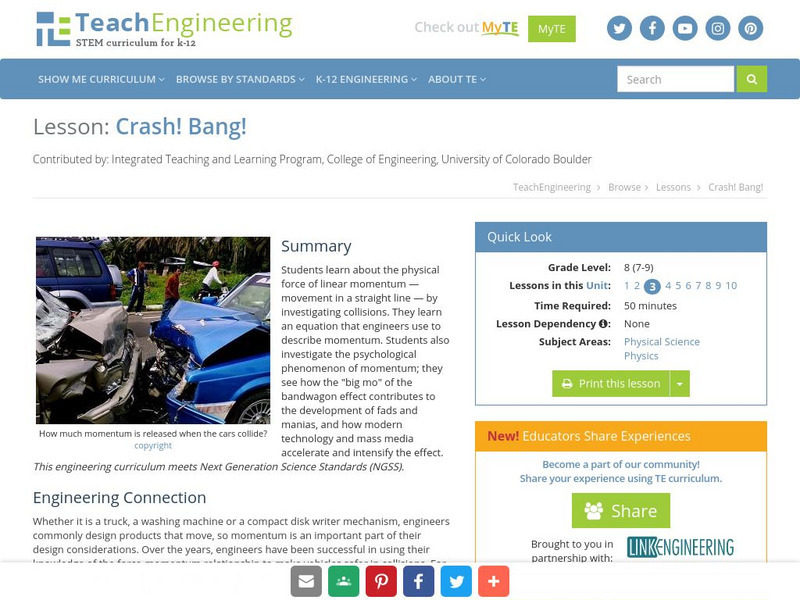
Teach Engineering: Crash! Bang!
Students learn about the physical force of linear momentum - movement in a straight line - by investigating collisions. They learn an equation that engineers use to describe momentum. Students also investigate the psychological...
TeachEngineering
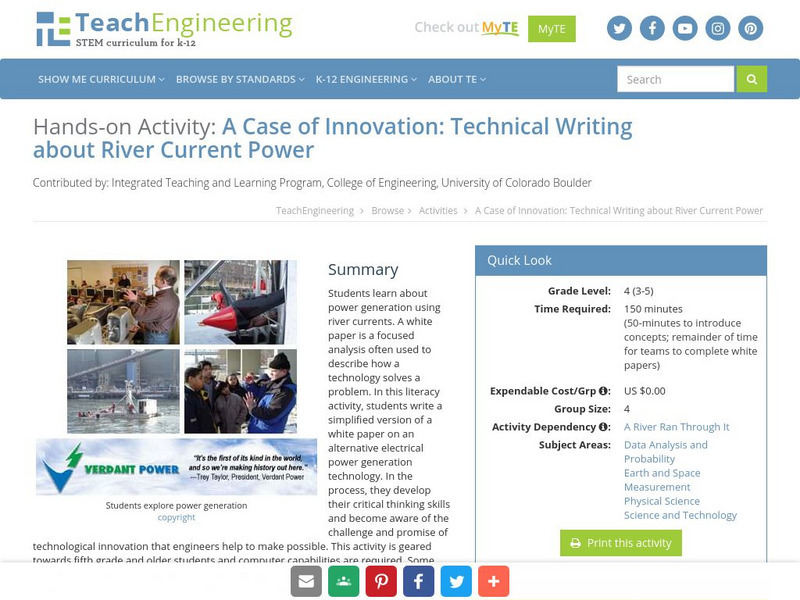
Teach Engineering: A Case of Innovation
A white paper is a focused analysis often used to describe how a technology solves a problem. In this literacy activity, students write a simplified version of a white paper on an alternative electrical power generation technology. In...
TeachEngineering
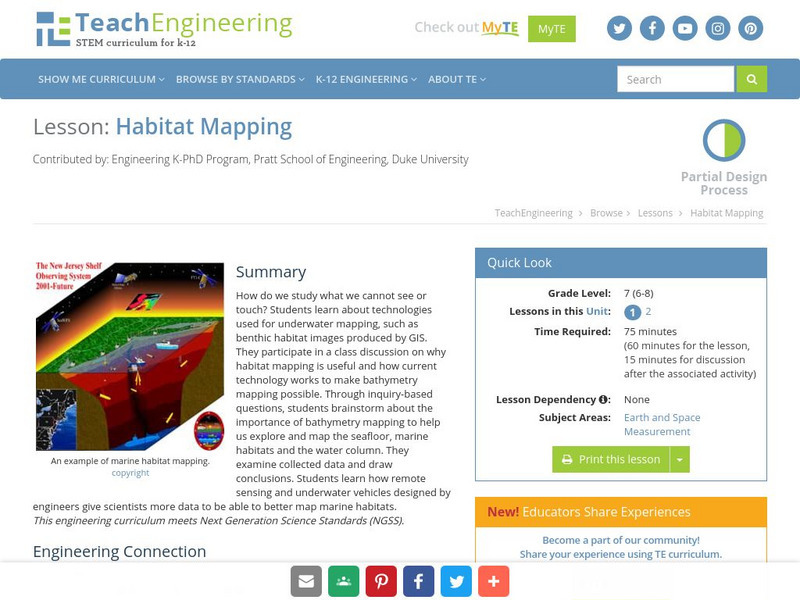
Teach Engineering: Habitat Mapping
The marine environment is unique and requires technologies that can use sound to gather information since there is little light underwater. In this lesson, the middle schoolers will be shown benthic habitat images produced by GIS. These...
Other
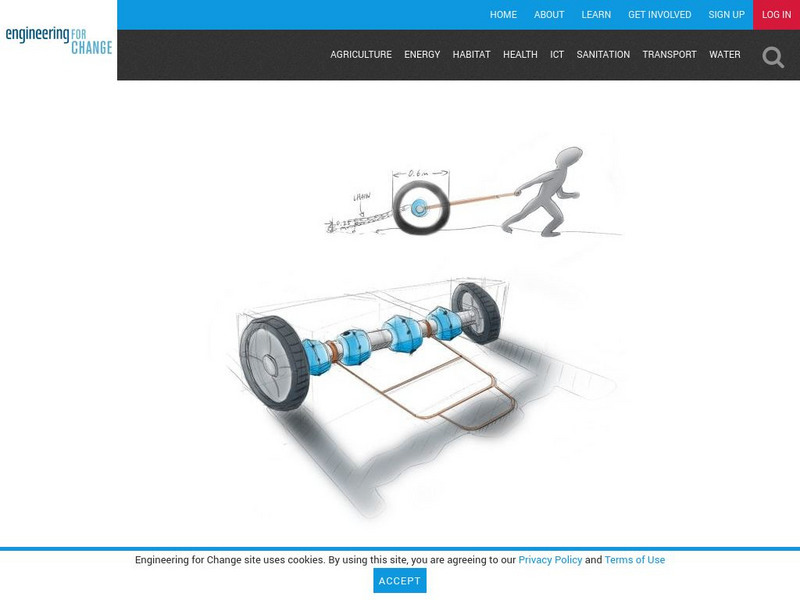
Engineering for Change: Necessary Trade Offs When Co Designing New Technology
The co-design of new technology with communities has benefits and trade-offs. Engineers Without Borders Australia describe a co-design project in rural Cambodia that they participated in. The goal was to design assistive technologies...
PBS
Pbs Learning Media: Technology Over Time
In this interactive activity adapted from A Science Odyssey, learn how technology in the home has changed through the years. Scroll through a timeline from 1900 to 2010 to explore technological innovations in the home (such as...
TeachEngineering
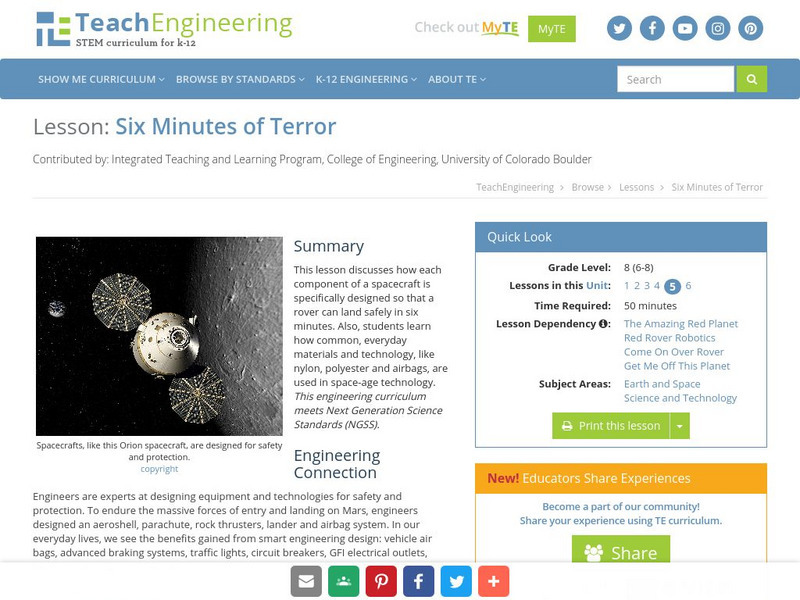
Teach Engineering: Six Minutes of Terror
This lesson discusses how each component of a spacecraft is specifically designed so that a rover can land safely in six minutes. Also, young scholars will learn how common, everyday materials and technology, like nylon, polyester and...
TeachEngineering
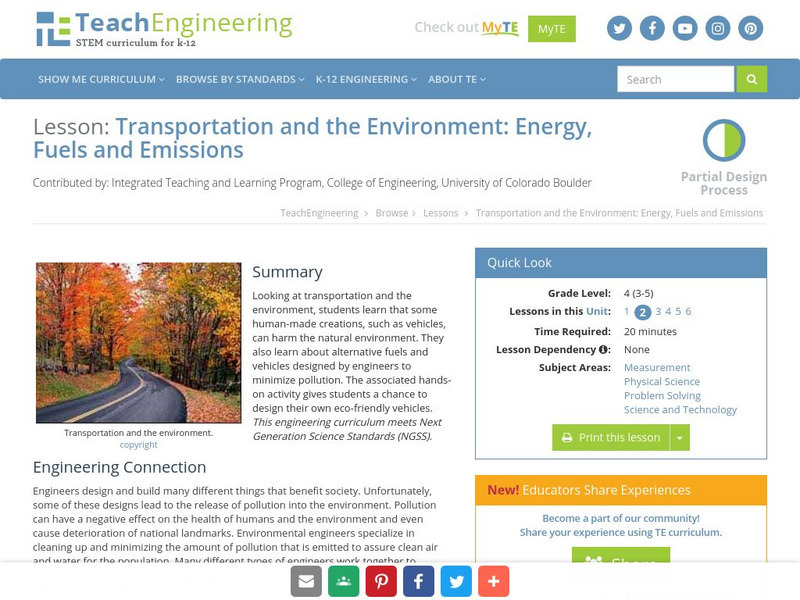
Teach Engineering: Transportation and the Environment
Looking at transportation and the environment, students learn that some human-made creations, such as vehicles, can harm the environment. They also learn about alternative fuels and vehicles designed by engineers to minimize pollution....
TryEngineering
Try Engineering: Can You Copperplate?
Chemical engineering lesson investigates the processes of chemical plating and electroplating. Teams of students work together to devise a chemical system for plating metal objects with copper, then test and evaluate their findings and...
TeachEngineering
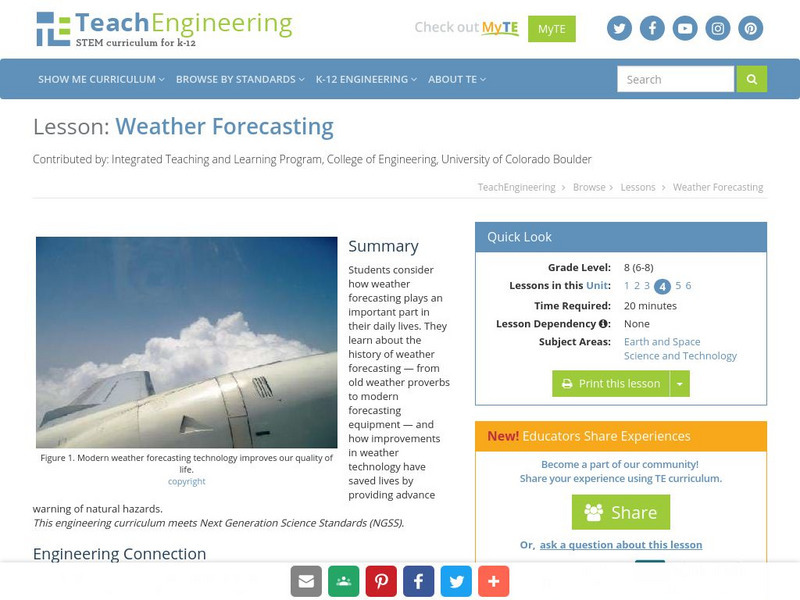
Teach Engineering: Weather Forecasting
Students begin this lesson by considering how weather forecasting plays an important part in their daily lives. They learn about the history of weather forecasting -from old weather proverbs to modern forecasting equipment - and how...
TeachEngineering
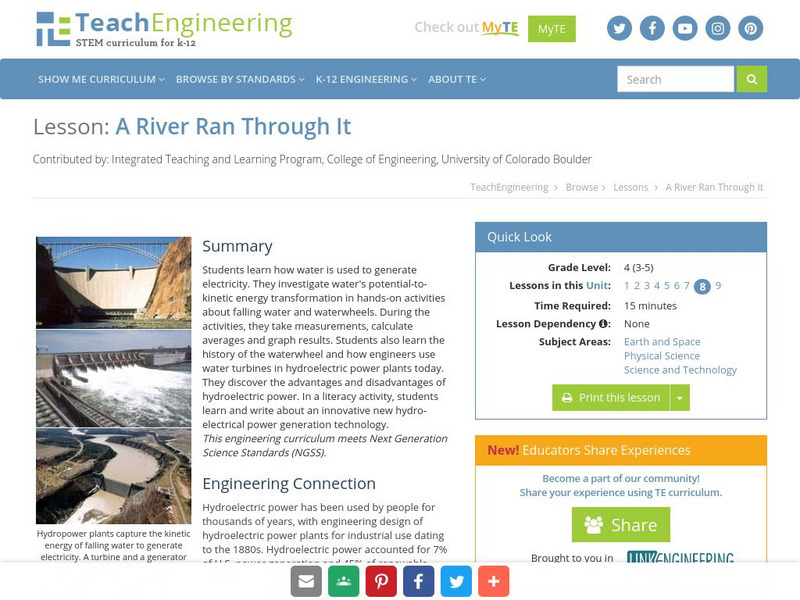
Teach Engineering: A River Ran Through It
Students learn how water is used to generate electricity. They investigate water's potential-to-kinetic energy transformation in hands-on activities about falling water and waterwheels. During the activities, they take measurements,...
TeachEngineering
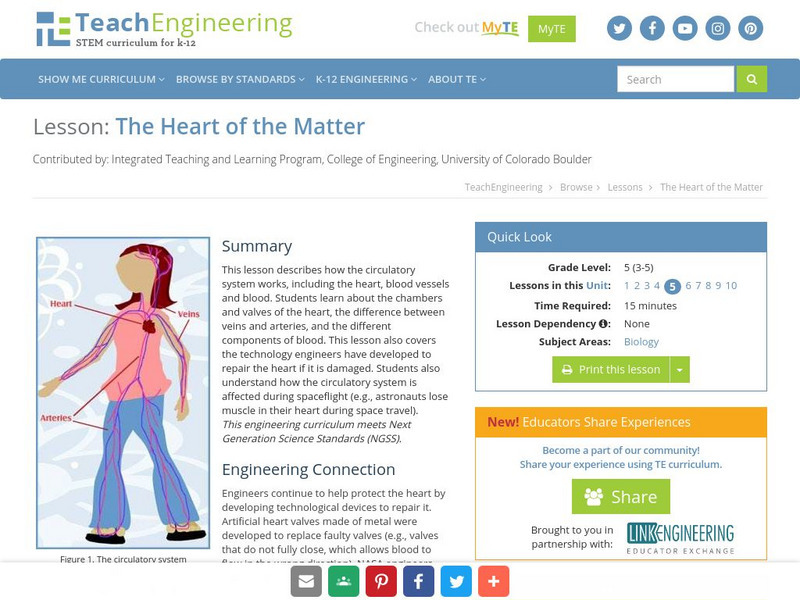
Teach Engineering: The Heart of the Matter
This instructional activity describes how the circulatory system works, including the heart, blood vessels and blood. Students learn about the chambers and valves of the heart, the difference between veins and arteries, and the different...
TeachEngineering
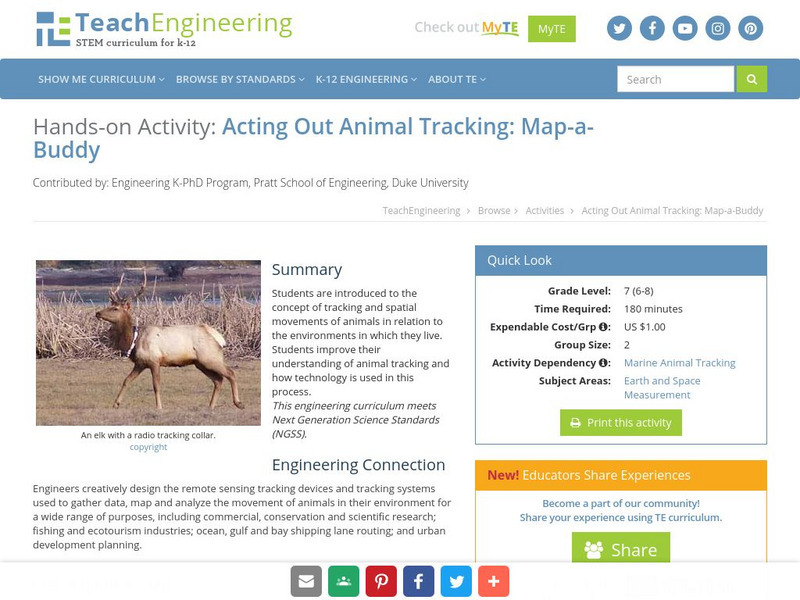
Teach Engineering: Map a Buddy
This activity serves to introduce the concept of tracking and spatial movements of animals in relation to the environment in which they live. The following activity will aid student understanding of animal tracking and how technology...
TryEngineering
Try Engineering: Find It With Gps!
Using a GPS handheld device and online resources, students work in teams to explore the technology behind GPS, current GPS applications, and brainstorm new applications for future global use to solve society's issues.
University of Southern California
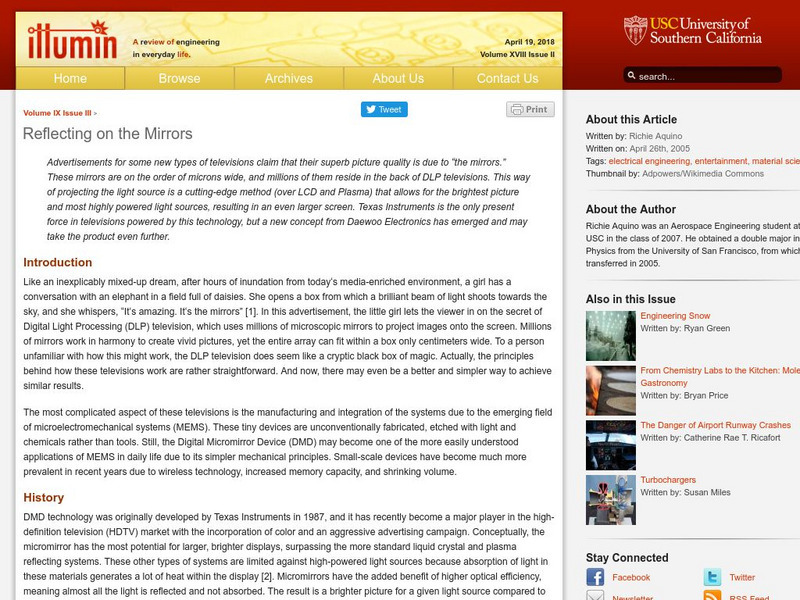
Usc Viterbi School of Engineering Illumin: Reflecting on the Mirrors
Article explaining what Digital Light Processing (DLP) technology is and how it works. Includes an animation to demonstrate the technology. (Published Fall 2007)
National Museum of Science and Industry (UK)
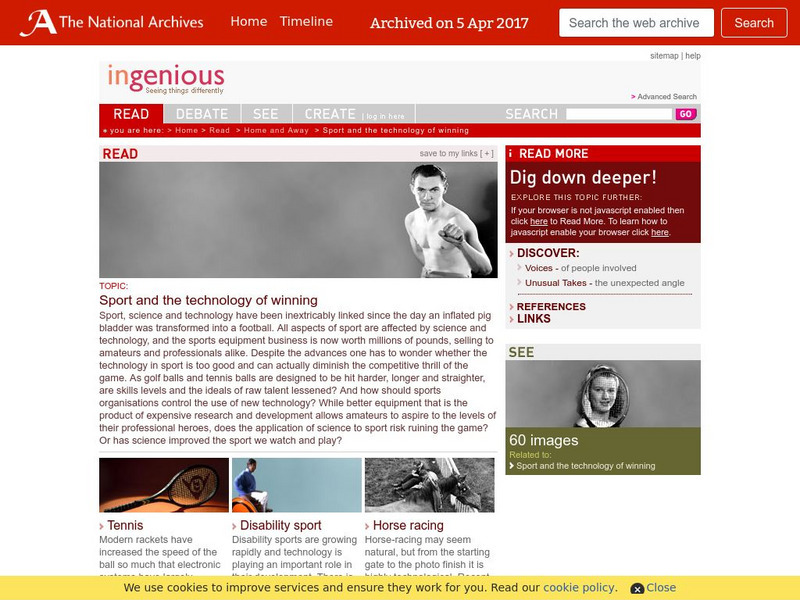
Ingenious: Sport and the Technology of Winning
Has technology improved or hindered sports? This question is researched in the areas of tennis racket engineering, disability sports equipment, and high tech horse racing.
Information Fluency
Illinois Mathematics and Science Academy: Accessibility Awareness [Pdf]
Micro-Module covering relevant information on Accessibility Awareness and Section 508, the American Disabilities Act for the Internet. The thorough and informative article addresses applications of Section 508, WC3, website compliance,...
TeachEngineering
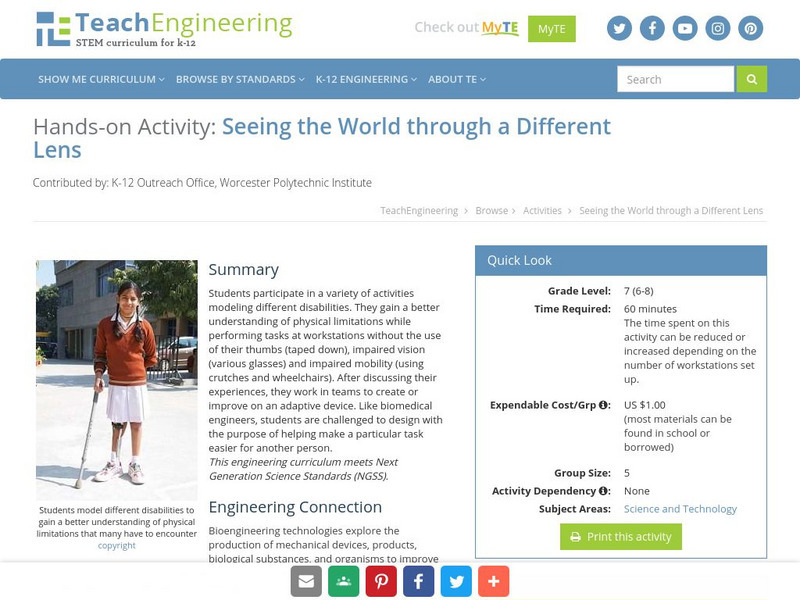
Teach Engineering: Seeing the World Through a Different Lens
Students will participate in a variety of activities modeling different disabilities. After discussing their experiences, students work in teams to devise or improve on an adaptive device.
TeachEngineering
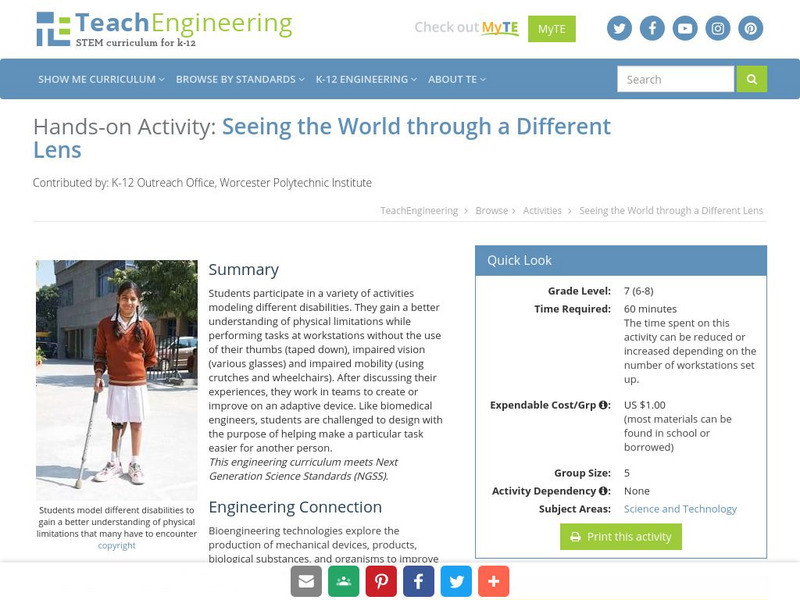
Teach Engineering: Seeing the World Through a Different Lens
Students will participate in a variety of activities modeling different disabilities. After discussing their experiences, students work in teams to devise or improve on an adaptive device.
TryEngineering
Try Engineering: Program Your Own Game
Teams of students learn about the work of software engineers as they design a simple computer game using free software available in multiple languages.