Hi, what do you want to do?






PBS
Pbs Learning Media: Primary Source Set: 19th Century Schools for the Deaf, Blind
This collection uses primary sources to explore the development of schools for deaf and blind students in the nineteenth century.
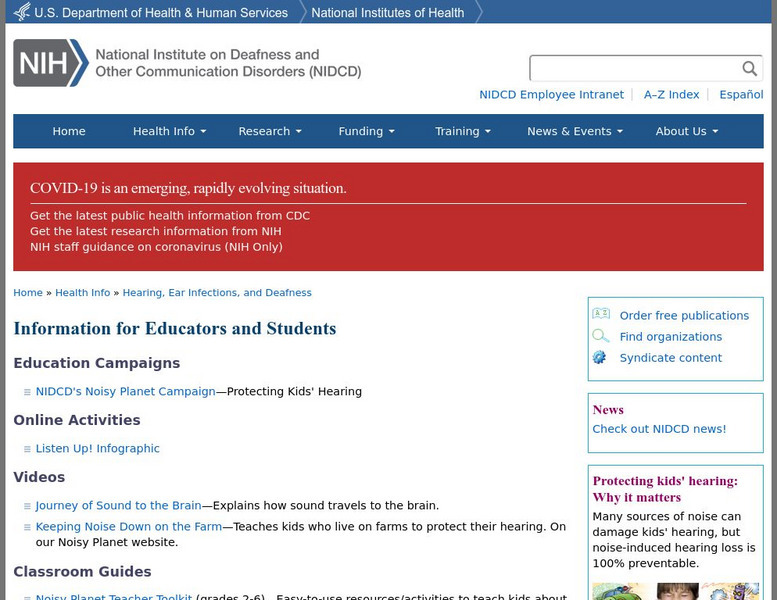
National Institutes of Health
Nidcd Health Information: Resources for Educators
The National Institute on Deafness and Other Communication Disorders offers classroom activities and other resources for learners and teachers.
Other
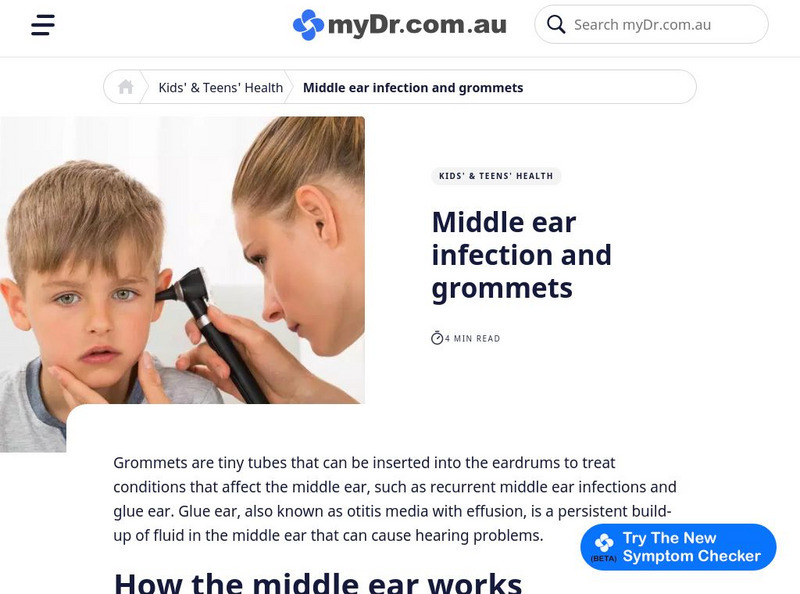
My Dr.: The Hearing Impaired Child in the Classroom
Types of hearing loss are discussed, along with characteristics and support strategies helpful to teachers trying to overcome the difficulties hearing impaired students often experience in the classroom.
PBS
Pbs Kids: Ncam: Cornerstones
Cornerstones is a technology-infused approach to literacy development designed for early elementary children who are deaf and hard of hearing (and that can be used with other students who learn well visually and struggle with literacy).
Other
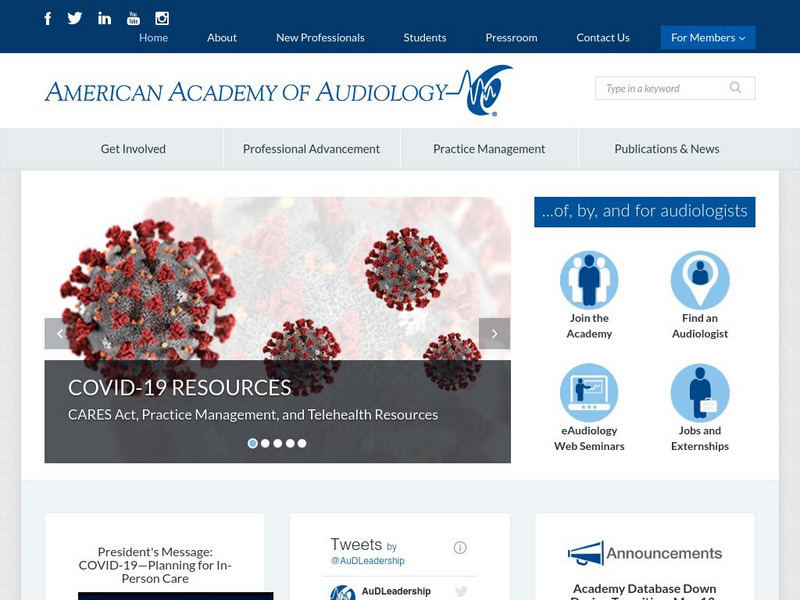
American Academy of Audiology
Find news on audiological sciences and the deaf and hard of hearing population. Also find consumer, student and professional resources, conferences and conventions as well as a store.
Other
Expressive Essay: The Use of Psychodrama as Therapy
A well-written example of an expressive essay. Deals with drama as a means of therapy for deaf patients. An excellent model of expression in essay-writing.
EL Education
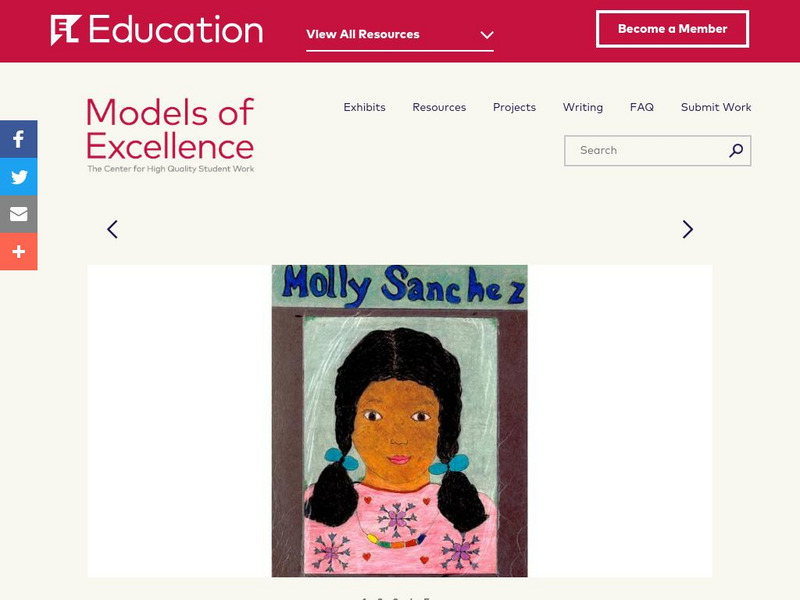
El Education: Molly Sanchez
Students learn about Deaf Culture through presentations, cultural experts, fieldwork, and reading fiction and non-fiction books. Then students use the information they have learned to create a realistic character and write a character...
EL Education
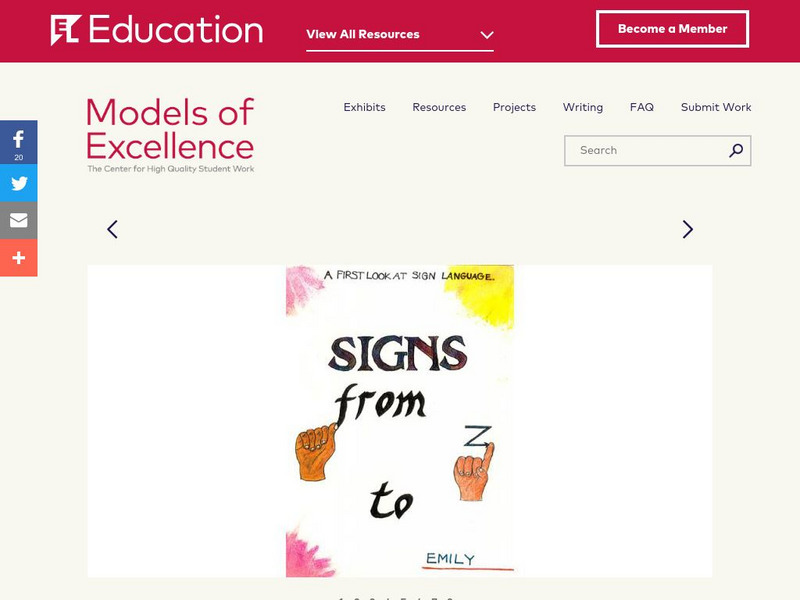
El Education: Signs From a to Z
As part of a study on Deaf Culture, students work together to create an alphabet book of American Sign Language Each page has an original illustration of the signed letter accompanied by a sentence using alliteration to give several...
Other
W3 C Recommendations: Homepage
"These guidelines explain how to make Web content accessible to people with disabilities. The guidelines are intended for all Web content developers (page authors and site designers) and for developers of authoring tools."
Other popular searches
- Worksheets for Deaf Students
- Grammar for Deaf Students
- Teaching Deaf Students
- For Deaf Students
- Language Arts Deaf Students
- Emotions and Deaf Students
- Snowbelts for Deaf Students
- Lesson Plans for Deaf Students