Hi, what do you want to do?






American Museum of Natural History
American Museum of Natural History: Find My Plankton Baby Picture
By observing photos of plankton at different life stages, students can obtain information that will allow them to construct evidence-based accounts of how parents and offspring don't always look alike.
American Museum of Natural History
American Museum of Natural History: Make Your Own Weather Station
Students can plan and carry out investigations of local weather patterns by building their own weather stations to collect observations of various weather conditions: rainfall, wind direction, and air pressure.
American Museum of Natural History
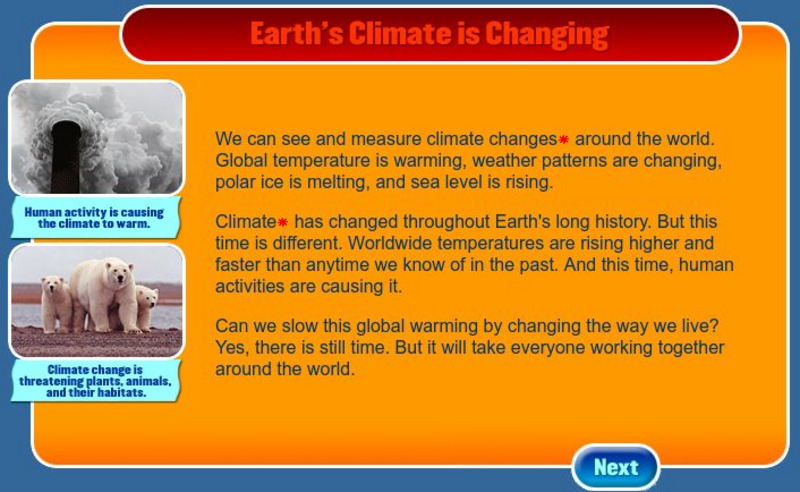
American Museum of Natural History: O Logy: What's the Big Idea? Climate Change
What do people around the world need to do in order to slow the process of climate change? This resource dives into the dangers of change and proposes solutions.
American Museum of Natural History
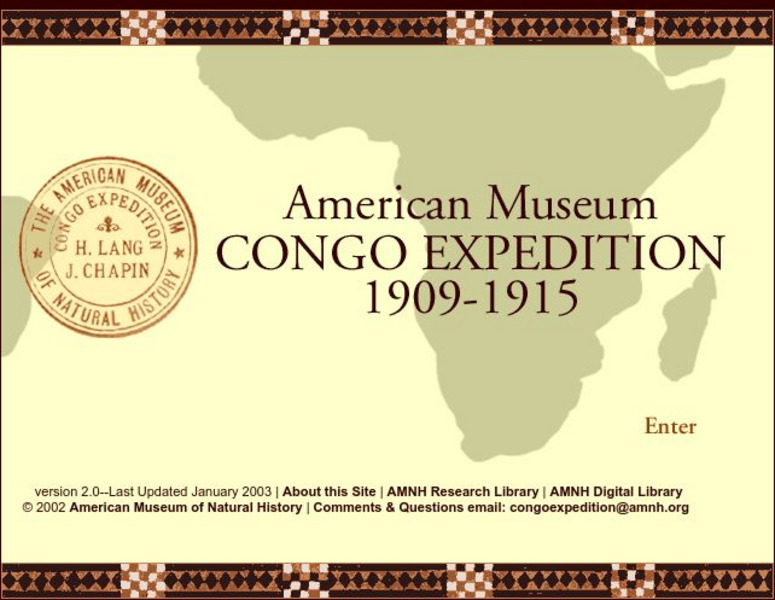
American Museum of Natural History: Digital Library: Congo Expedition: 1909 15
A rich-media website that traces a major expedition into the Belgian Congo (the present-day Democratic Republic of the Congo) at the dawn of the twentieth century. Includes maps, diary entries, specimens, and recordings as well as a...
Scholastic
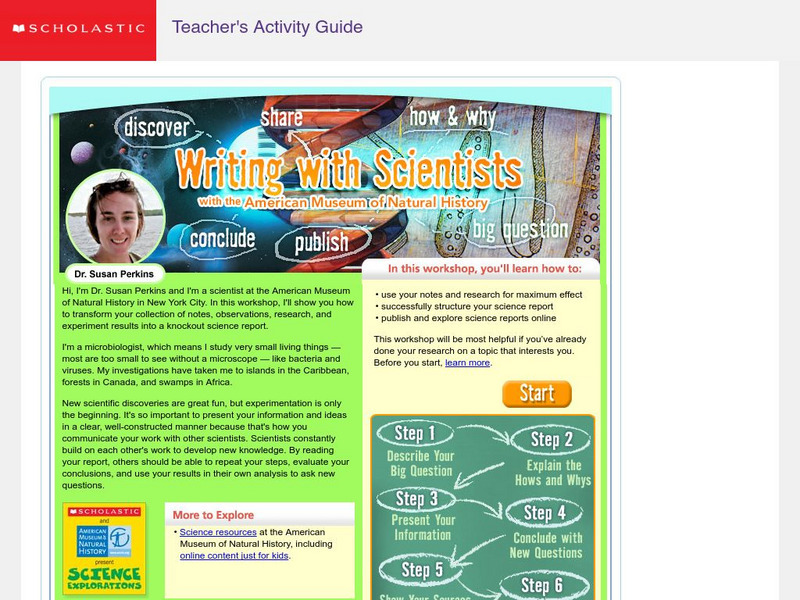
Scholastic: Writing With Scientists With the American Museum of Natural History
Follow this six-step method and you'll have a good understanding of what a good scientific research paper involves and how it is organized. There are plenty of samples for you to look at. This explanation is also very helpful for...

American Museum of Natural History
American Museum of Natural History: Paleont O Logy: The Big Dig
This colorful and inviting resource houses tons of paleontology activities to explore. Play the Layers of Time puzzle game, create your own make-believe dig site by burying chicken bones in plaster of Paris, learn how to draw dinosaurs,...
American Museum of Natural History
American Museum of Natural History: Play With Color and Light
See what happens when you mix different colors of lights.
American Museum of Natural History
American Museum of Natural History: O Logy: Jade
A scientist from the American Museum of Natural History familiarizes viewers with jade, a rare stone from different places around the world. Explore the scrapbook he kept.
American Museum of Natural History
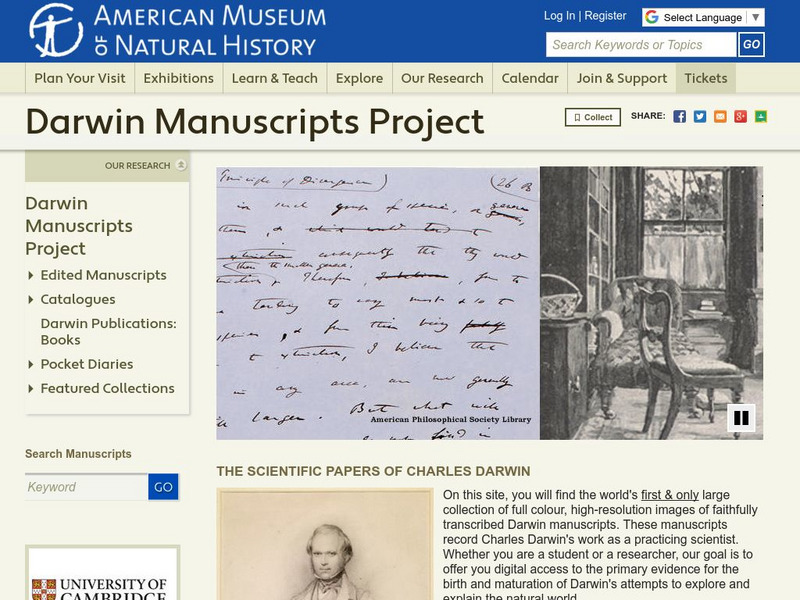
American Museum of Natural History: Darwin Digital Library of Evolution
This American Museum of Natural History project is a valuable resource for anyone with an interest in studying evolution. They have created a digital library of Darwin's notes, publications, and manuscripts. The information is presented...

American Museum of Natural History
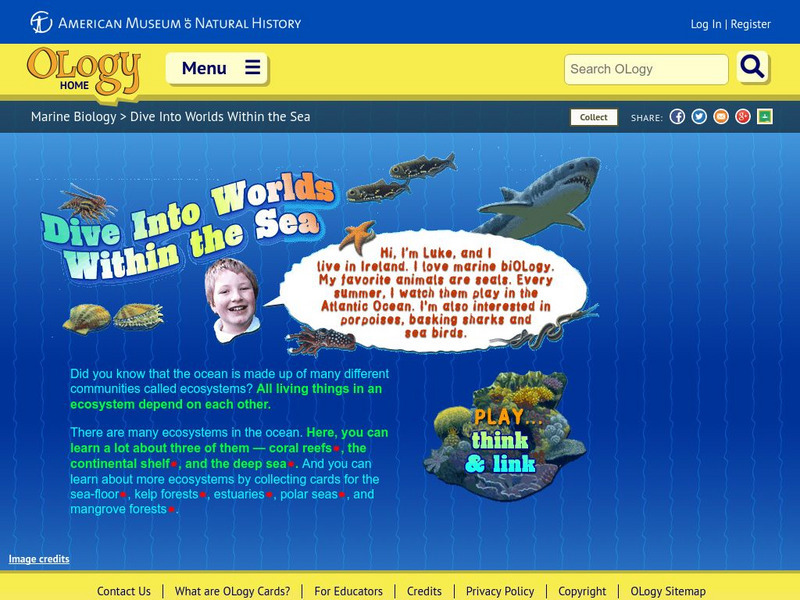
American Museum of Natural History: O Logy: Dive Into Worlds Within the Sea
Learn about three different marine ecosystems: coral reefs, the continental shelf, and the deep sea. Interactive game included, which will help players chart the interrelationships among organisms that live in each ecosystem.
American Museum of Natural History
American Museum of Natural History: O Logy: What Do You Know? Dinosaurs
Test knowledge about dinosaurs with this ten question quiz.
American Museum of Natural History
American Museum of Natural History: O Logy: What Do You Know? Climate Change
Test your knowledge on climate change with this short quiz.
American Museum of Natural History
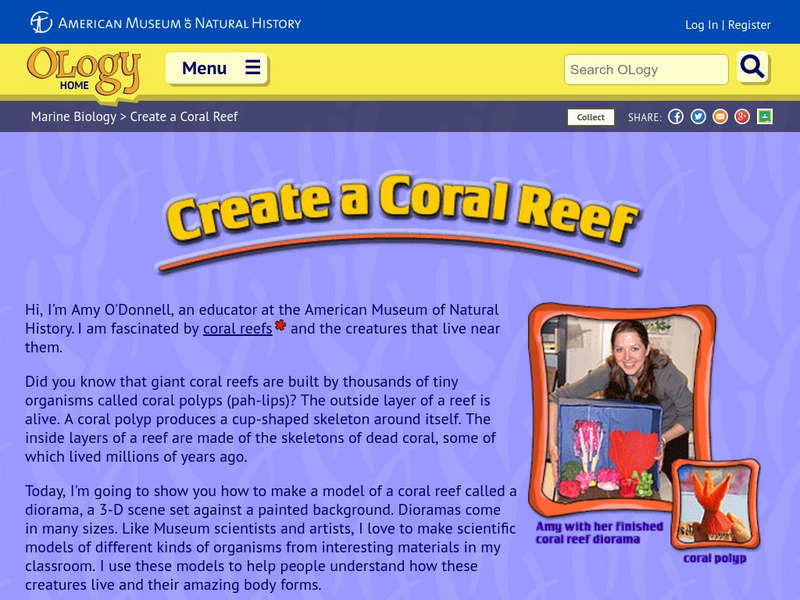
American Museum of Natural History: O Logy: Stuff to Do: Create a Coral Reef
Detailed instructions, with photographs for every step, for how to build a coral reef diorama.
American Museum of Natural History
American Museum of Natural History: Oology: Expeditions
This student module includes short, informational text, images, interactive games, and quizzes about ocean exploration.
American Museum of Natural History
American Museum of Natural History: Ology: See the Light
Reflection, refraction, and the colors that make up white light is explored through lab activities after reading a brief background about light energy.
American Museum of Natural History
American Museum of Natural History: Find a Vent
Learn all about hydrothermal vents deep in the ocean and how scientists locate them. Then take a virtual expedition to the Juan de Fuca Ridge in the north Pacific and see if you can discover a new deep sea vent.
American Museum of Natural History
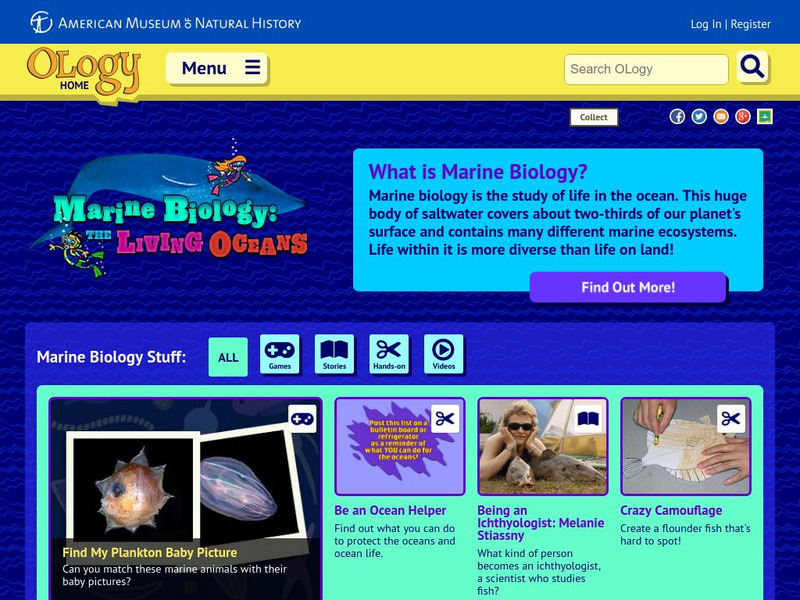
American Museum of Natural History: O Logy: Marine Biology: The Living Oceans
This resource is a place for exploring, asking questions, finding information, meeting scientists, and learning about marine ecosystems.
American Museum of Natural History
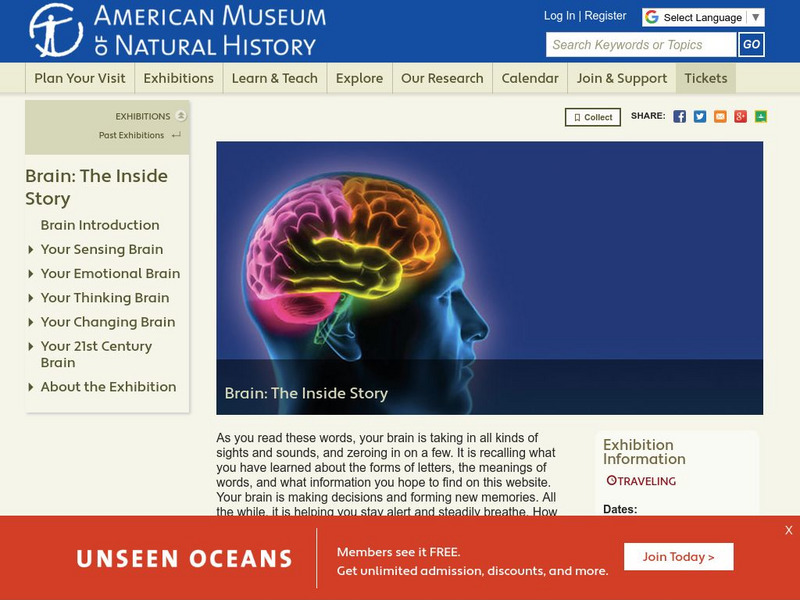
American Museum of Natural History: Brain: The Inside Story
This exhibition documents how our brains sense, think, process emotions, and grow and change.
American Museum of Natural History
American Museum of Natural History: Dive Into Worlds Within the Sea
Think and Link to investigate three different ecosystem either the deep sea, coral reef or continental shelf. By connecting the dots students make a food chain to see how organisms in each habitat depend on each other.
American Museum of Natural History
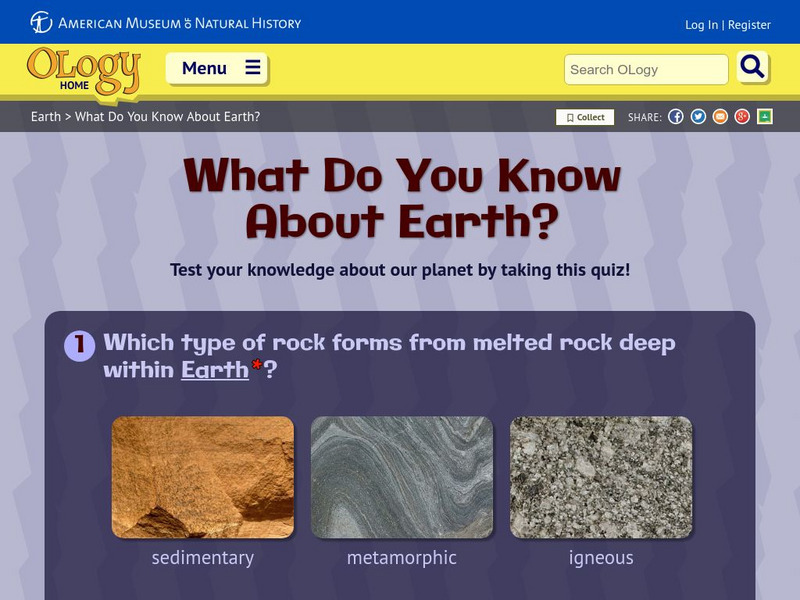
American Museum of Natural History: O Logy: What Do You Know? Earth Science
Take a ten question quiz on the Earth's surface.
American Museum of Natural History
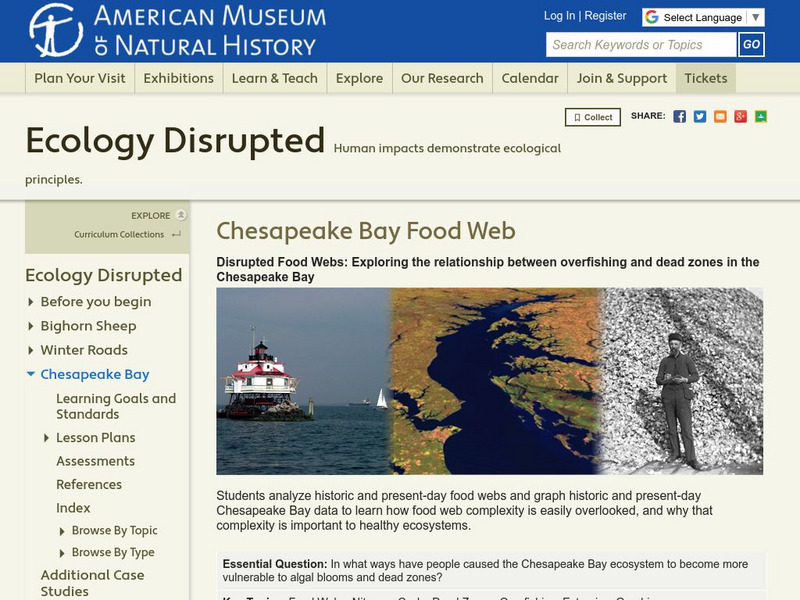
American Museum of Natural History: Ecology Disrupted: Chesapeake Bay Food Web
In this comprehensive lesson unit, learners examine how overfishing has affected Chesapeake Bay's ecosystem. They will study food webs from the past and present and graph related data.
American Museum of Natural History
American Museum of Natural History: Make Your Own Mythic Mask or Puppet
Create your own masks and puppets and bring the mythic creatures to life.
American Museum of Natural History
American Museum of Natural History: If Trash Could Talk
What does your trash say about you? Take a close look inside your trash can and think about the clues it offers about your life.
American Museum of Natural History
American Museum of Natural History: Create Your Own Time Capsule
By making time capsules, we can decide what message to send to the future about our own lives. If it were discovered years from now, what would the objects say about you and the time you lived in?