Hi, what do you want to do?






American Museum of Natural History
American Museum of Natural History: O Logy: How Did the Universe Begin?
Bite-size introduction to two scientists-Hubble and Lemaitre-who played key roles in formulating the theory of the origin of the universe known as the big bang. Includes an interactive timeline on which you can plot out the approximate...
Science Education Resource Center at Carleton College
Serc: American Museum of Natural History Resources for Learning
This site presents a collection of scientific learning resources for educators, parents, kids, after-school coordinators, informal learning center staff, and anyone else interested in teaching or learning about science. The site provides...
American Museum of Natural History
American Museum of Natural History: Profile: Georges Lemaitre
Find out about the life and work of the father of the Big Bang theory, Georges Lemaitre. This article describes the origin of the cosmology theory and its growing acceptance among scientists. This is an excerpt from COSMIC HORIZONS:...
American Museum of Natural History
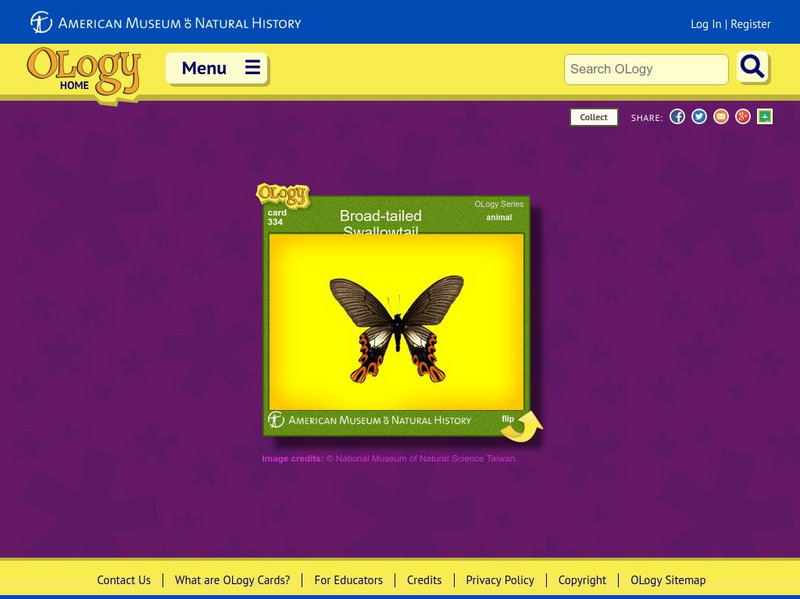
American Museum of Natural History: Broad Tailed Swallowtail O Logy Card
Flip this interactive OLogy card to find questions and answers, fast facts, and other bite-size pieces of information to help you understand important characteristics of the Broad-tailed Swallowtail, the national butterfly of Taiwan.
American Museum of Natural History
American Museum of Natural History: O Logy: Global Grocery
Did you ever wonder where tapioca pudding comes from? Did you know that cacao beans were once used as money? Learn about the human uses of plants (to make common foods and medicines) at the Global Grocery.
Smithsonian Institution
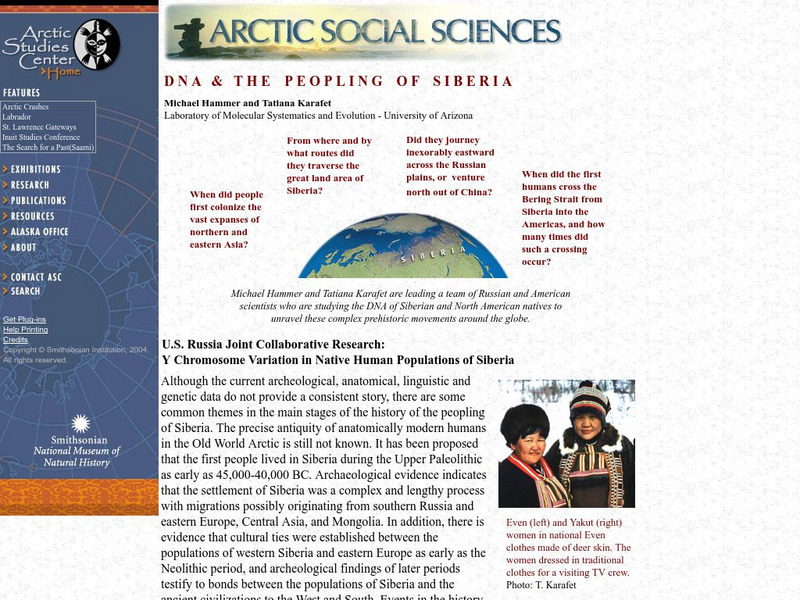
National Museum of Natural History: Arctic Science: Dna and the Peopling of Siberia
Scientists from the University of Arizona are conducting Y chromosome research on native Siberians to try to determine whether there is a genetic affinity to North American native people. The rationale and direction of this research are...
Smithsonian Institution
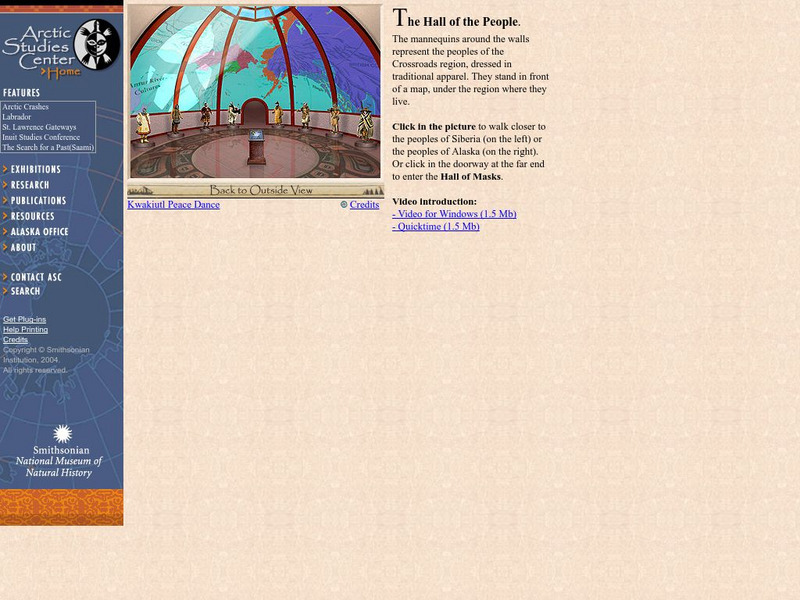
National Museum of Natural History: The Hall of Arctic People
This is the online version of the Smithsonian Institute's exhibit devoted to the people of the Siberian and North American Arctic. The mannequins around the walls represent the peoples of the Crossroads region, dressed in traditional...
Smithsonian Institution
National Museum of Natural History: Lewis and Clark Mapping the West
Understand the importance of the mapping done by Lewis and Clark as you work through these learning exercises and learn mapmaking skills yourself.
Other
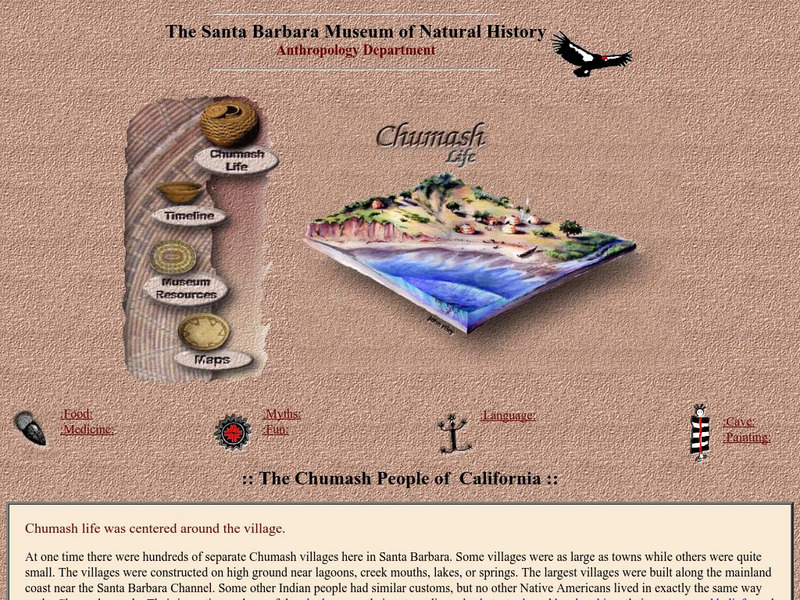
Santa Barbara Museum of Natural History: The Chumash People of California
A thorough look at the Chumash people of California. Read about their unique plank canoes, basketry, language, and cave paintings. Many pictures of artifacts and drawings accompany the information.
American Museum of Natural History
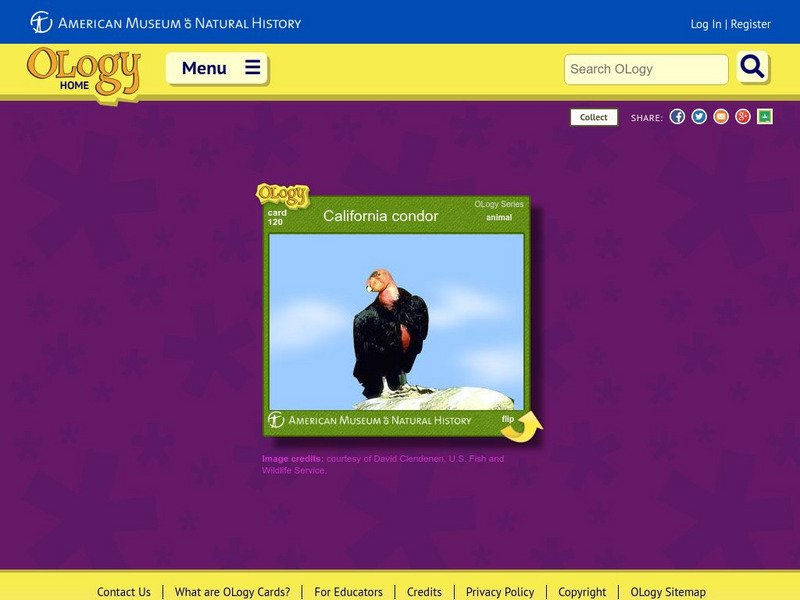
American Museum of Natural History: California Condor O Logy Card
Flip this interactive OLogy card to start learning about the California condor. Review some fast facts about condors and answer multiple-choice and fact-or-fiction questions to test your understanding.
American Museum of Natural History
American Museum of Natural History: Dinosaurs: Ancient Fossils, New Discoveries
Visitors to this resource will discover the new things that scientists are learning about dinosaurs by paging through the information about this comprehensive exhibition.

American Museum of Natural History
American Museum of Natural History: O Logy: Stuff to Do: Web of Life Game
Fun, interactive game that helps students identify interrelationships in an ecosystem. For six or more players.
American Museum of Natural History
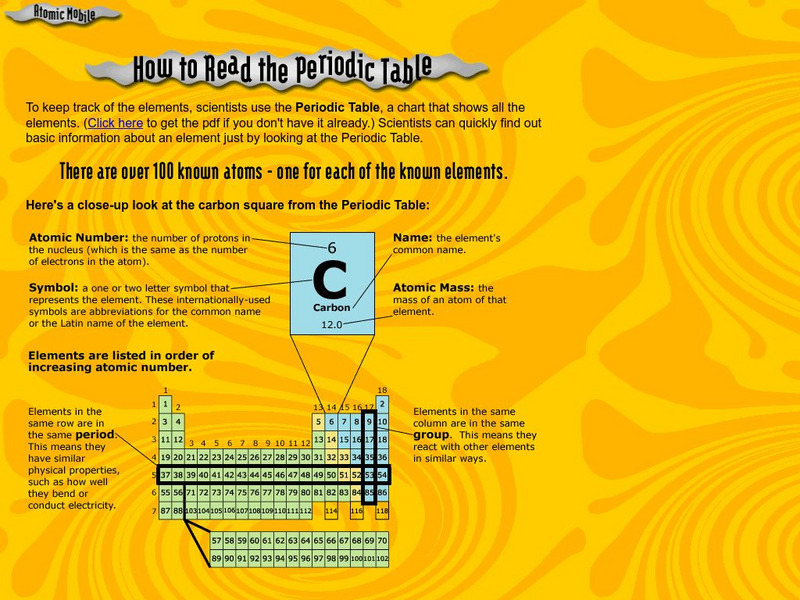
American Museum of Natural History: O Logy: How to Read the Periodic Table
An illustrated how-to for understanding how to read and extract information from the periodic table.
American Museum of Natural History
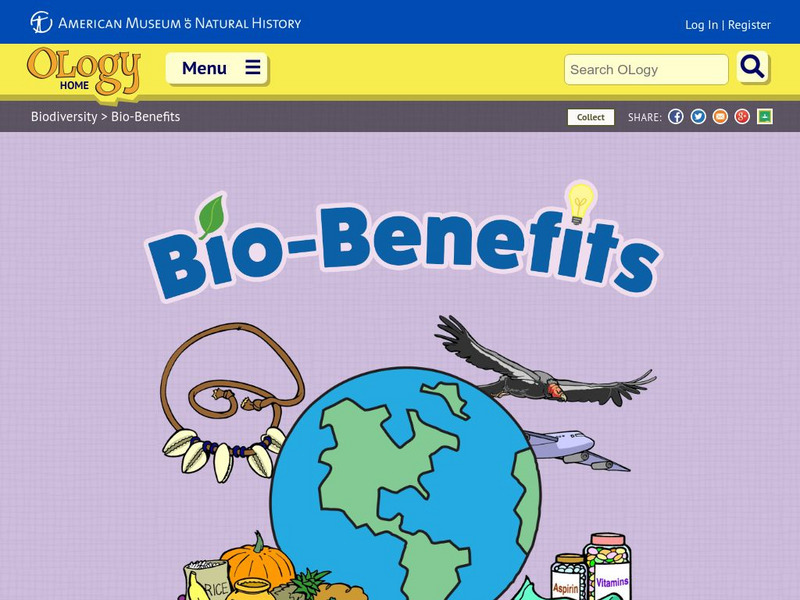
American Museum of Natural History: O Logy: Bio Benefits
What does it take to keep our planet livable? What are the things we need to sustain life? The Bio-Benefits site answers these questions and others pertaining to basic life needs. Click on the hyperlinked words to see interactive...

American Museum of Natural History
American Museum of Natural History: Ology: Saving Species
Click on the country name to travel to the Bahamas, Madagascar, and Australia to see what scientists are learning about different species, what roles they play in their ecosystems, and how we can best protect them. Click on the starred...
American Museum of Natural History
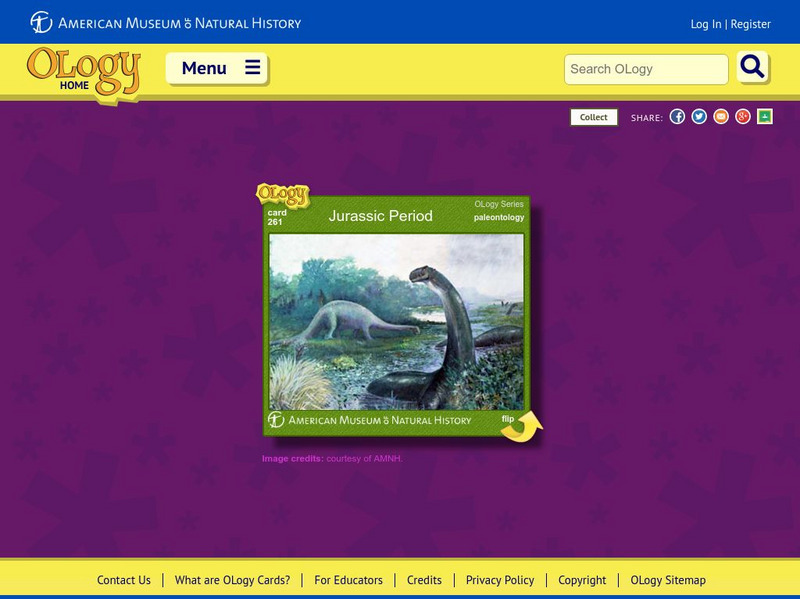
American Museum of Natural History: Jurassic Period O Logy Card
Learn a few facts about the Jurassic period from this interactive Ology card that also includes questions that can be answered. There is some information about Pangaea and dinosaurs.
American Museum of Natural History
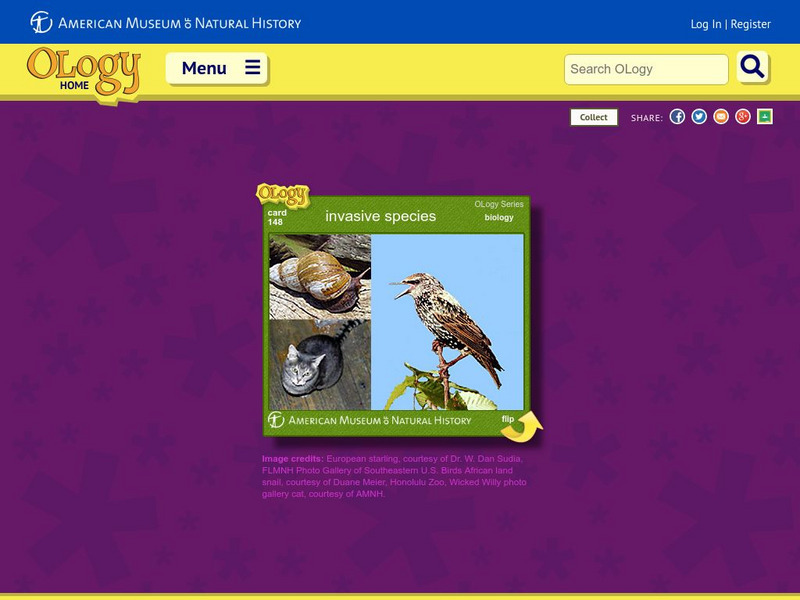
American Museum of Natural History: Invasive Species O Logy Card
Uncover facts about invasive species by turning over this interactive OLogy card.
American Museum of Natural History
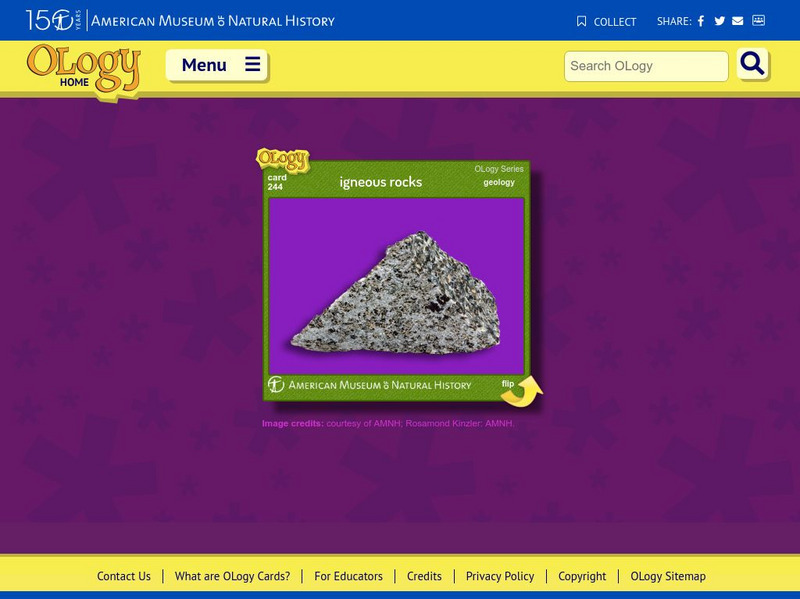
American Museum of Natural History: Igneous Rock O Logy Card
What is igneous rock? How is it formed? What makes igneous rock different from sedimentary rock or metamorphic rock? This interactive OLogy card answers these and similar questions.

American Museum of Natural History
American Museum of Natural History: Hydrothermal Vents O Logy Card
Check out this interactive OLogy card to learn about hydrothermal vents, also known as black smokers.
American Museum of Natural History
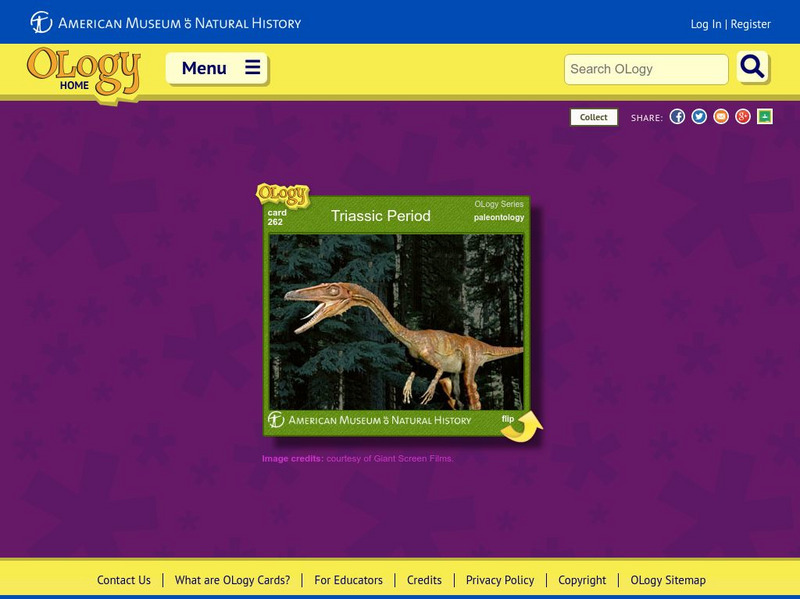
American Museum of Natural History: Triassic Period O Logy Card
Review essential information about the Triassic Period on this short, interactive card. Includes facts about Pangaea. Try answering questions when you're finished.
American Museum of Natural History
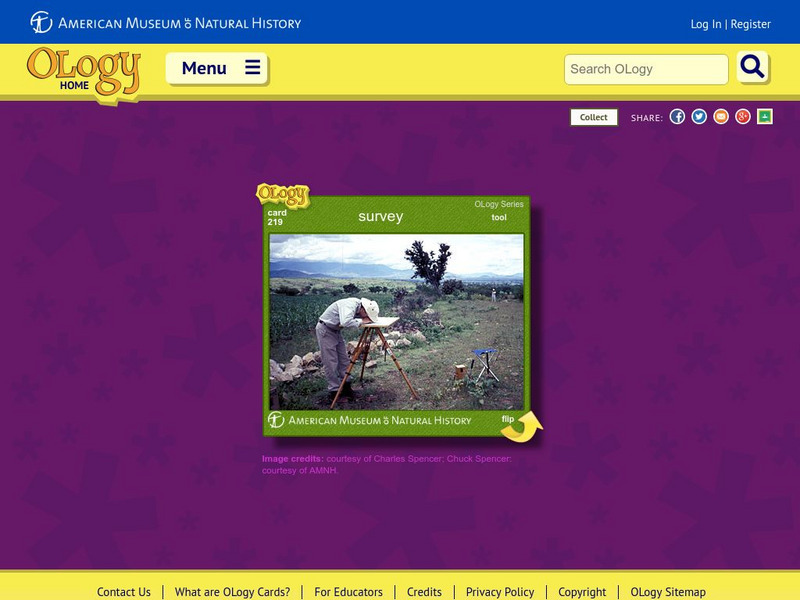
American Museum of Natural History: Surveying Archaeological Sites O Logy Card
Find fast facts about surveying archaeological sites by flipping over this interactive card. Also, answer quiz questions to test your knowledge about mapping and measuring.
American Museum of Natural History
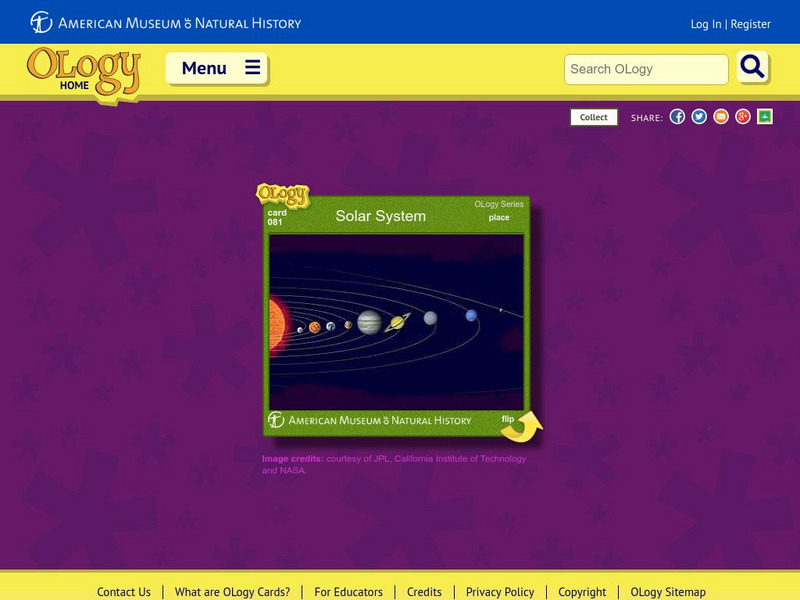
American Museum of Natural History: Solar System O Logy Card
Here's an Ology Card about the Solar System, offering a small image, a definition, and information on how "far out" our Solar System is. Includes questions to quiz your knowledge and quick facts about the Solar System's size, rotation...
American Museum of Natural History
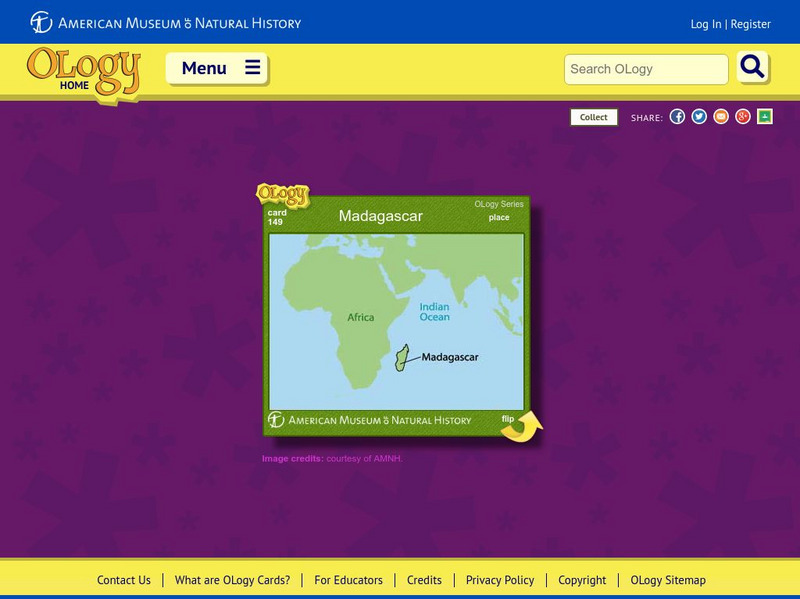
American Museum of Natural History: Madagascar O Logy Card
Uncover fascinating facts about the Madagascar by flipping over this interactive OLogy card.

American Museum of Natural History
American Museum of Natural History: Mangroves O Logy Card
Flip over this interactive OLogy card to learn about mangrove forests and their importance to coastal ecosystems.