Hi, what do you want to do?





American Museum of Natural History
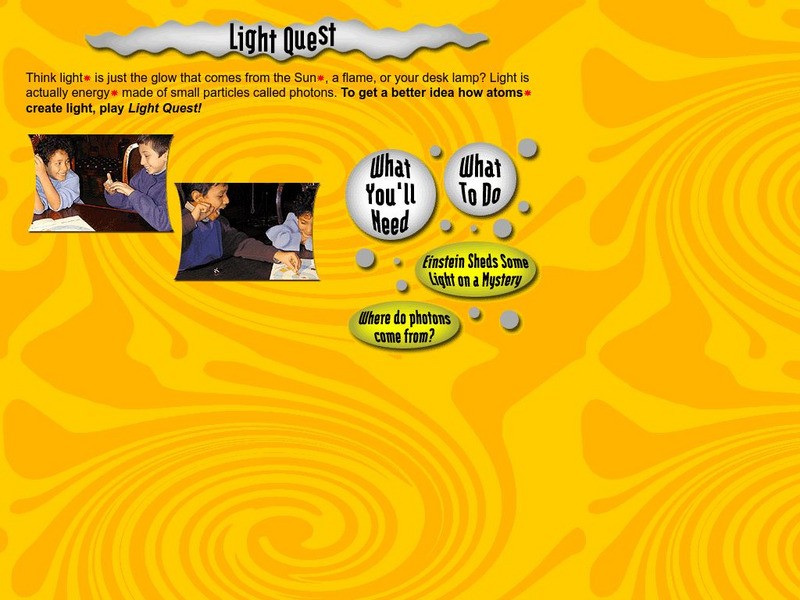
American Museum of Natural History: O Logy: Stuff to Do: Light Quest
Light Quest activity, for two to four players, designed to explain how atoms create light and where photons come from.
American Museum of Natural History
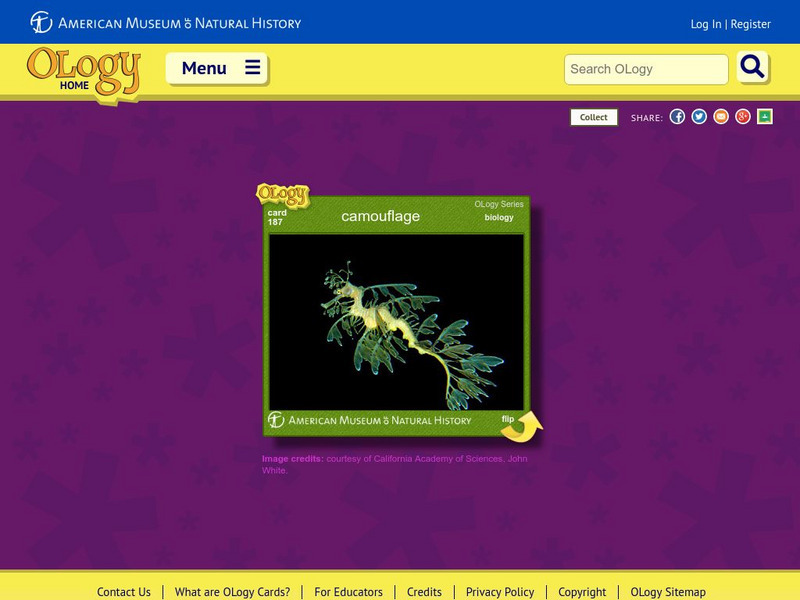
American Museum of Natural History: Camouflage O Logy Card
Flip this interactive OLogy card to start learning about camouflage and the role it plays in helping animals survive.
American Museum of Natural History
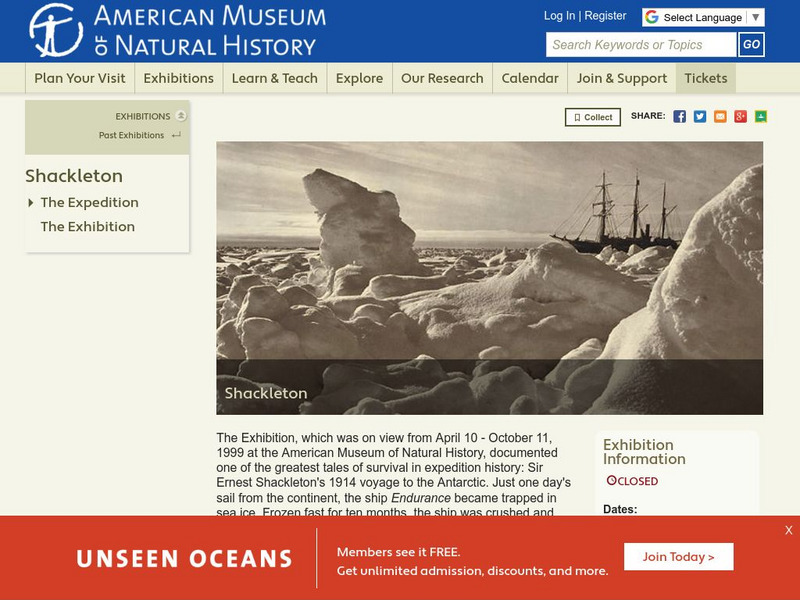
American Museum of Natural History: The Endurance
Learn about Ernest Shackleton's ill-fated voyage to Antarctica aboard the "Endurance" and about the amazing rescue that followed, after the expedition was forced to abandon ship. Uses actual expedition photographs and diary entries to...

University of Florida
Florida Museum of Natural History: First Colony: Our Spanish Origins
This resource is a lesson plan from the University of Florida Natural History Museum. It is a lesson on the impact that the immigrants of Jamestown, VA had on American culture and the melting pot they created in the early colonial days.
Read Works
Read Works: Unearthing Pterosaurs
[Free Registration/Login Required] This passage from the American Museum of Natural History is about the discovery and study of bones from Pterosaurs, extinct flying reptiles that are not exactly dinosaurs or birds. A question set, a...
Read Works
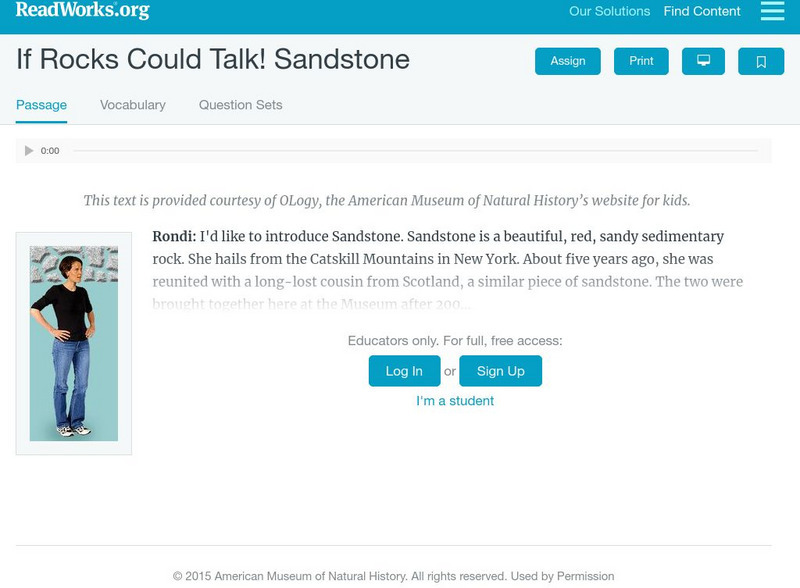
Read Works: If Rocks Could Talk!: Obsidian
[Free Registration/Login Required] This PDF passage "If Rocks Could Talk!: Obsidian" from the American Museum of Natural History features an interview with an igneous rock named Obsidian. It is part of a paired text with "If Rocks Could...

Carnegie Museum of Natural History
Carnegie Museum of Natural History: The Hopi of the Southwest
With this resource, learners can read about family relations, the importance of corn and water to the Hopi, their wedding traditions, and what continues to sustain this long-lived culture.
Carnegie Museum of Natural History
Carnegie Museum of Natural History: The Iroquois of the Northeast
This site provides a brief look at the history of the Iroquois. The site has information about food, handwork, survival, and modern life.
Smithsonian Institution
National Museum of Natural History: American Mammals: Banner Tailed Kangaroo Rat
The Banner-tailed Kangaroo Rat confines its activities to small areas near the large earthen mounds that contain its complex burrow systems. Usually gentle and timid, this Kangaroo Rat will fight furiously to defend its territory from...
Smithsonian Institution
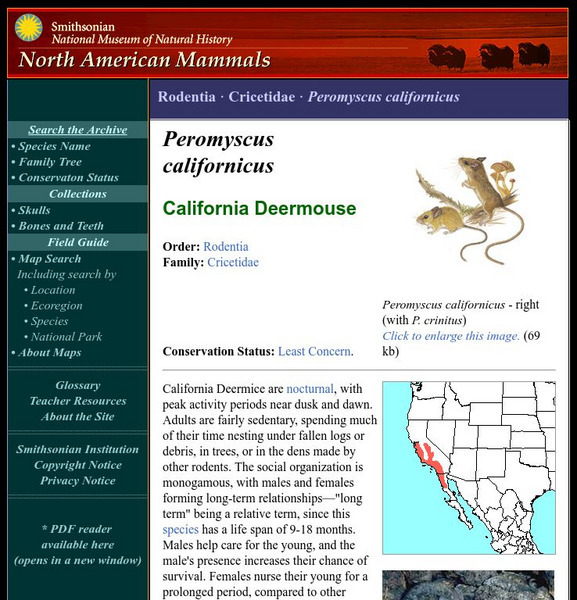
National Museum of Natural History: American Mammals: California Deermouse
California Deermice are nocturnal, with peak activity periods near dusk and dawn. Adults are fairly sedentary, spending much of their time nesting under fallen logs or debris, in trees, or in the dens made by other rodents. Learn more...
Smithsonian Institution
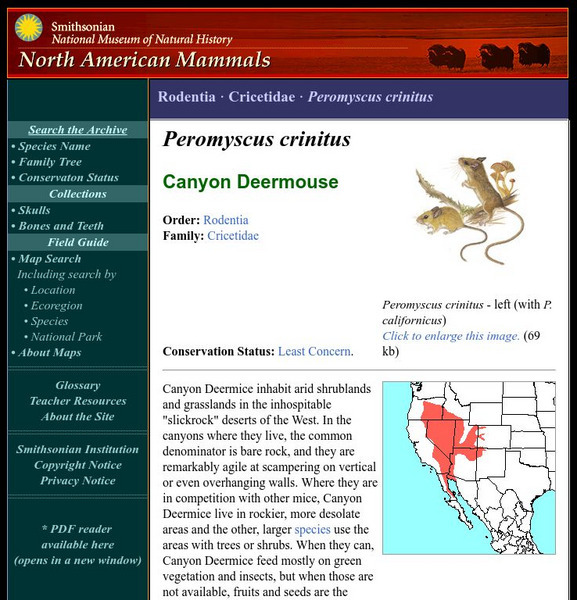
National Museum of Natural History: American Mammals: Canyon Deermouse
Canyon Deermice inhabit arid shrublands and grasslands in the inhospitable "slickrock" deserts of the West. In the canyons where they live, the common denominator is bare rock, and they are remarkably agile at scampering on vertical or...
American Museum of Natural History
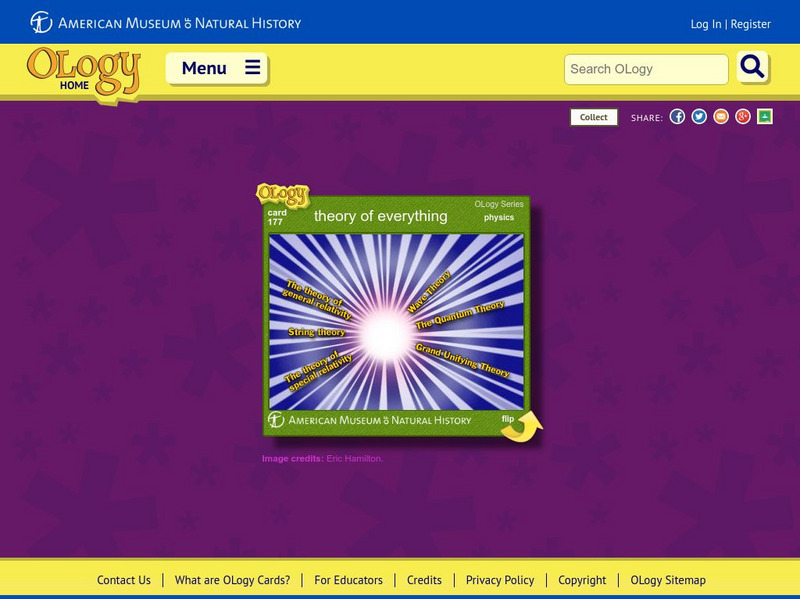
American Museum of Natural History: Theory of Everything O Logy Card
Turn over this OLogy card to learn bite-size pieces of information about the theory of everything, also known as unified theory.
Other
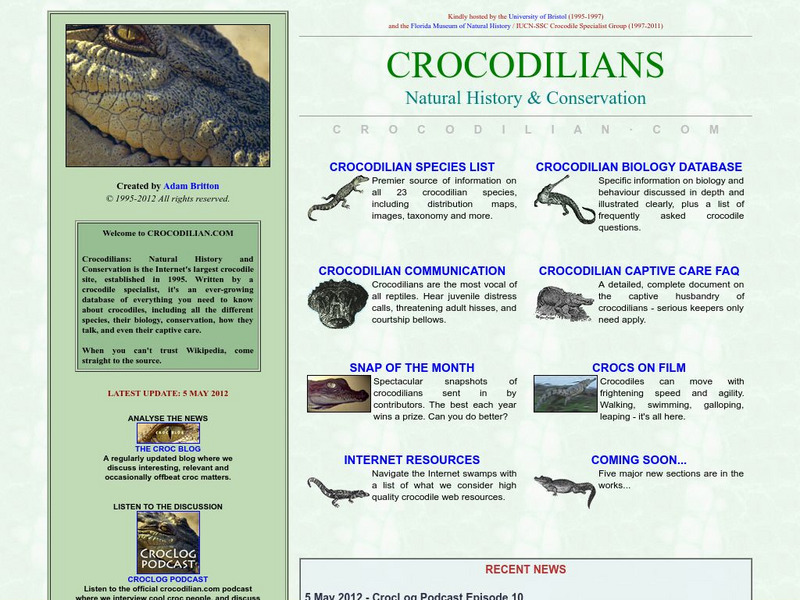
Florida Museum of Natural History: Crocodilians: The American Alligator
The University of Florida offers a wonderful, fact filled webpage on the American Alligator.
Carnegie Museum of Natural History
Carnegie Museum of Natural History: Tlingit of the Northwest Coast
Explore the culture, beliefs, and people of the Tlingit Indians of the Northwest Coast.
Smithsonian Institution
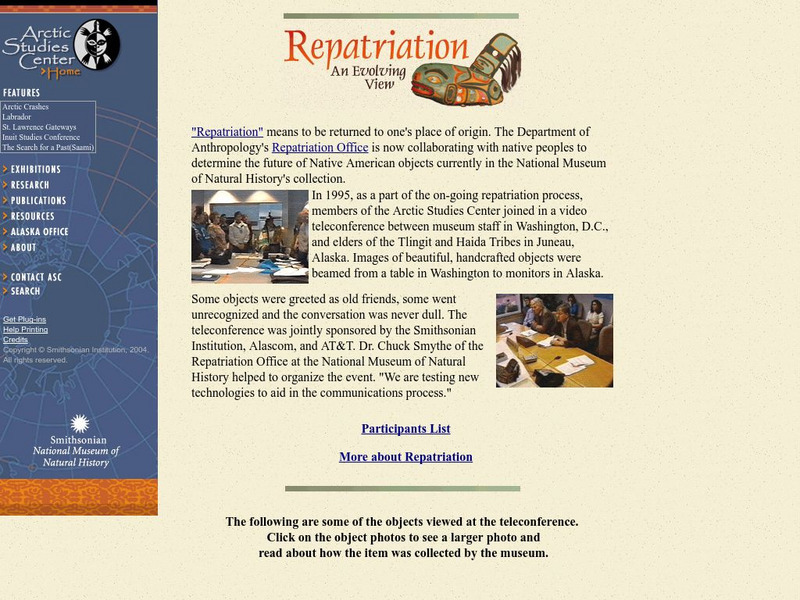
National Museum of Natural History: Repatriation
"Repatriation", returning to one's origin, is a program running through the Smithsonian examining Native American artifacts.
Smithsonian Institution
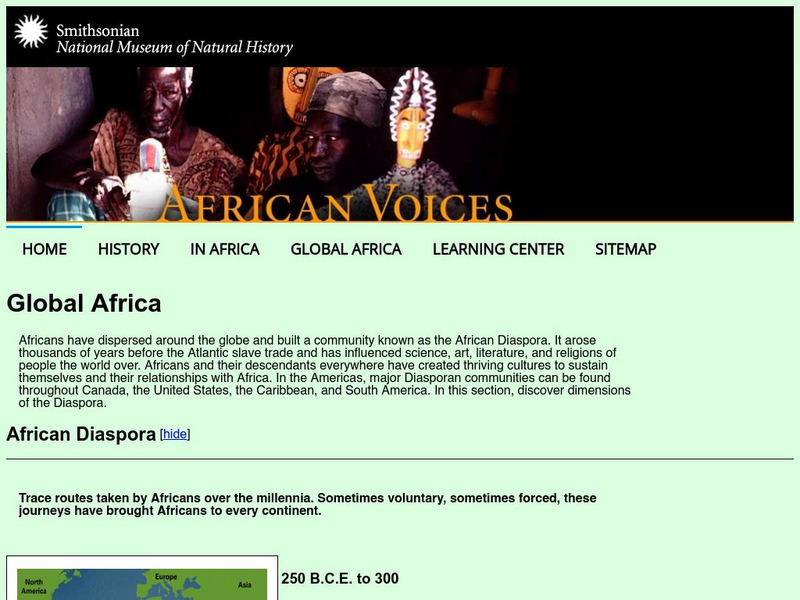
National Museum of Natural History: African Voices: Global Africa
The rich, vibrant African American culture has spread far and wide through our world. Follow the routes taken over the millennia by examining the following maps that include short descriptions. Listen to audio from slaves describing...

American Museum of Natural History
American Museum of Natural History: O Logy: Stuff to Do: Drawing Dinosaurs
A tutorial on how to draw a realistic dinosaur starting from a picture of a skeleton.
American Museum of Natural History
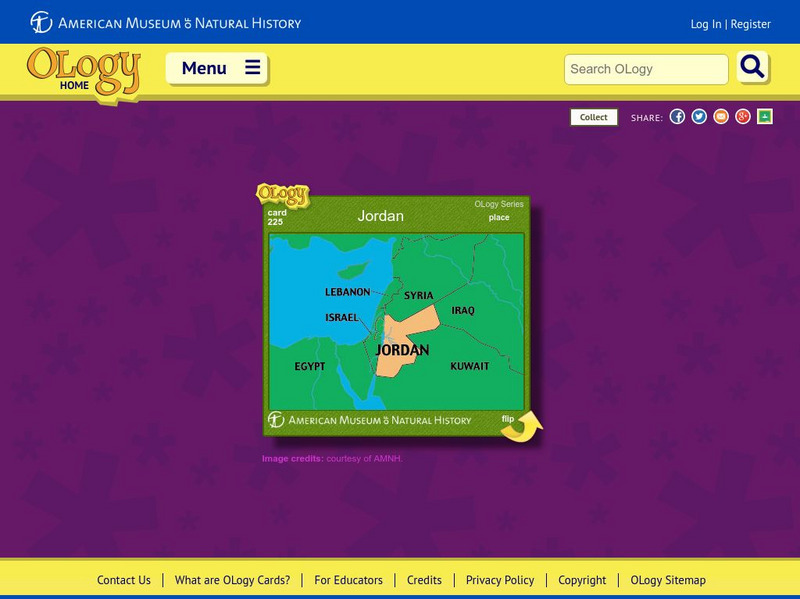
American Museum of Natural History: Jordan O Logy Card
Flip over this interactive OLogy card to find fast facts, questions and answers, and similar bite-size pieces of information about Jordan.
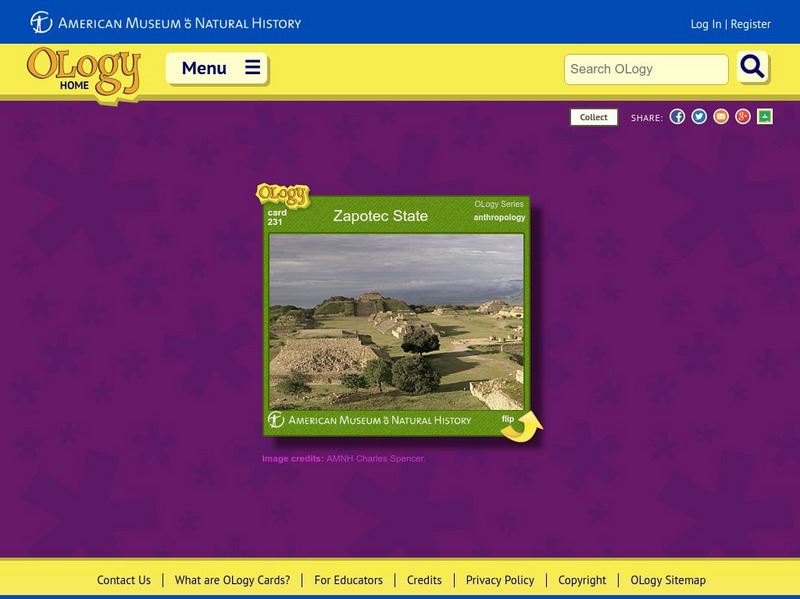
American Museum of Natural History
American Museum of Natural History: Zapotec State O Logy Card
Flip this interactive OLogy card to learn about the Zapotec civilization. Find fast facts, quiz questions to test your knowledge, and similar bite-size pieces of information.
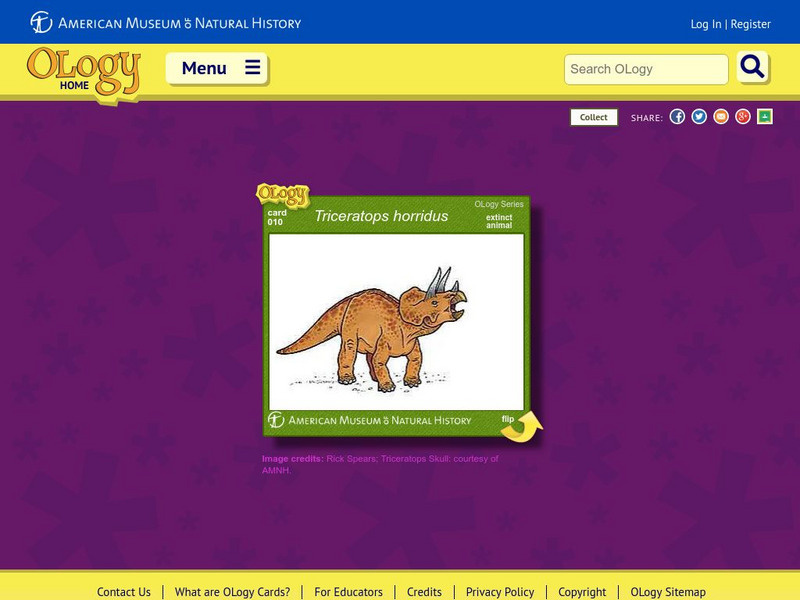
American Museum of Natural History
American Museum of Natural History: Triceratops O Logy Card
Flip over this interactive card to find fast facts, questions and answers, and other bite-size pieces of information about Triceratops horridus.
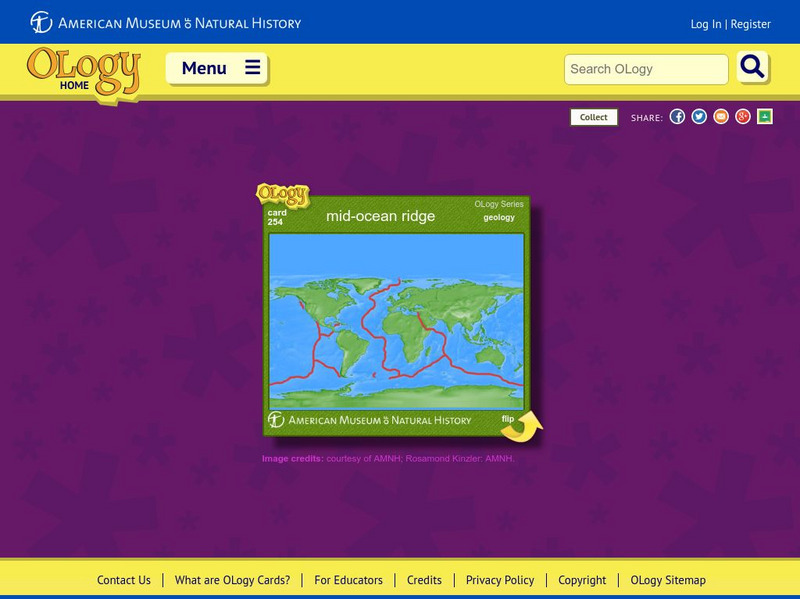
American Museum of Natural History
American Museum of Natural History: Mid Ocean Ridge O Logy Card
Flip over this interactive OLogy card to find fast facts, questions and answers, and similar bite-size pieces of information about the mid-ocean ridge.
American Museum of Natural History
American Museum of Natural History: O Logy: What Do You Know? Biodiversity
Take a self-scoring quiz that tests your knowledge of biodiversity.
American Museum of Natural History
American Museum of Natural History: O Logy: What Makes You You? What Makes Me Me?
Simple animation explains the function of chromosomes, genes, and DNA by letting you zoom into a cell nucleus for a closer look.
American Museum of Natural History
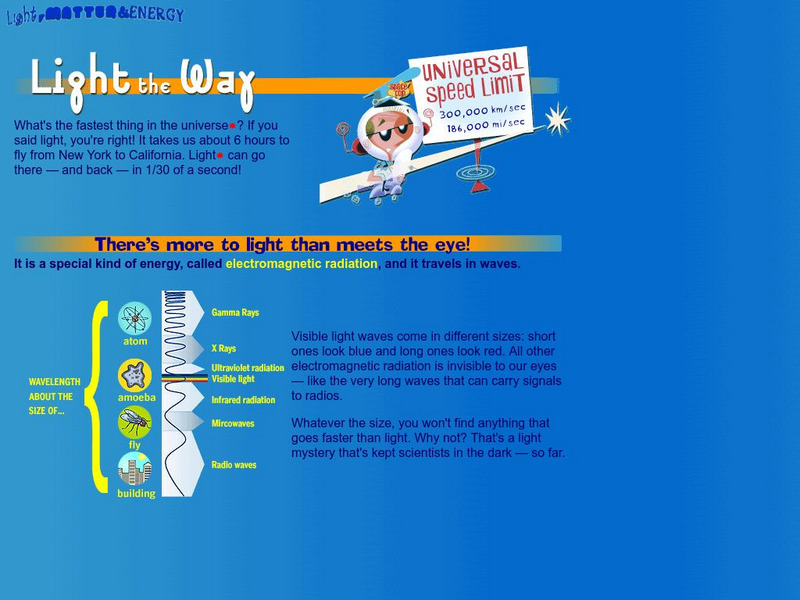
American Museum of Natural History: O Logy: Light, Matter, Energy: Light the Way
What is electromagnetic radiation and how does it work? Review a captioned graphic that explains electromagnetic radiation and the visible and invisible types of radiation on the electromagnetic spectrum.