Hi, what do you want to do?






Curated Video
The Art of Holding Breath: Secrets of Free Divers
Dive deep into the world of free divers like Stéphane Mifsud, who can hold his breath for over 11 minutes underwater. This segment explores the physiological and mental training that enables such incredible feats, including enhanced...
Curated Video
What is Adaptation?
This live-action video program is about the word Adaptation. The program is designed to reinforce and support a student's comprehension and retention of the word Adaptation through use of video footage, photographs, diagrams and...

PBS
Pbs Learning Media: Toxic Newts
The father and son team of Brodie and Brodie track down the predator able to stomach a mysteriously hyper-toxic newt, an example of an evolutionary arms race in action. From Evolution: "Evolutionary Arms Race." [5:27]
Minute Earth
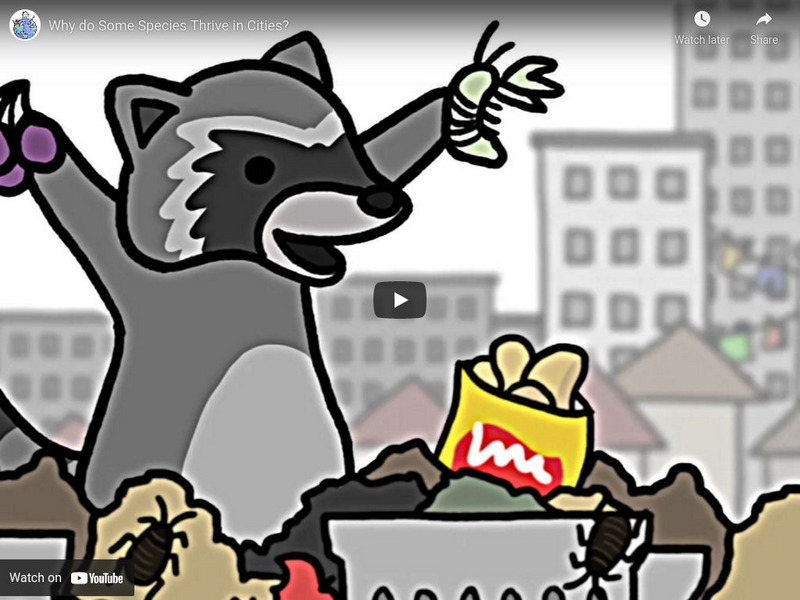
Minute Earth: Why Do Some Species Thrive in Cities?
Urban development can be tough on wildlife. But some plants and animals are adapting to our cities in surprising ways. [3:21]
Bozeman Science
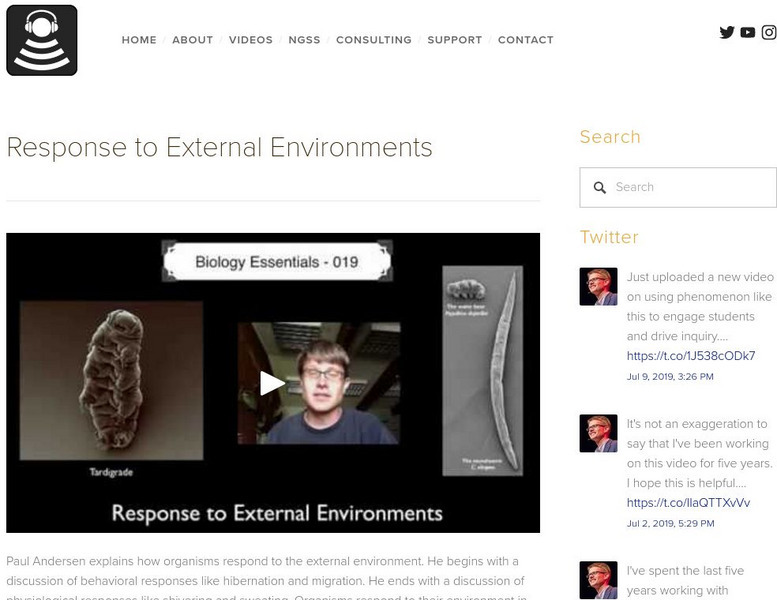
Bozeman Science: Response to External Environments
Paul Andersen explains how organisms respond to the external environment. He begins with a discussion of behavioral responses like hibernation and migration. He ends with a discussion of physiological responses like shivering and...
Other
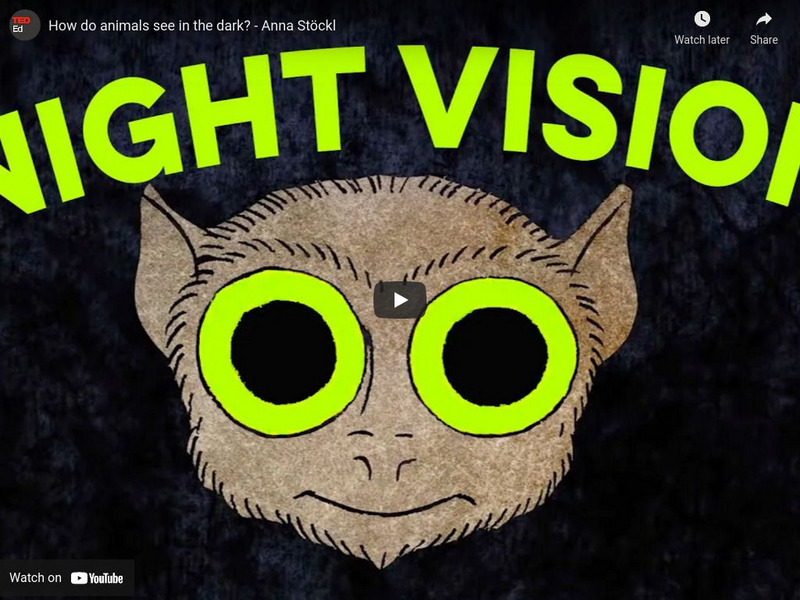
Ted Ed: How Do Animals See in the Dark?
To human eyes, the world at night is a formless canvas of grey. Many nocturnal animals, on the other hand, experience a rich and varied world, bursting with details, shapes, and colors. Anna Stockl uncovers the science behind night...
Other
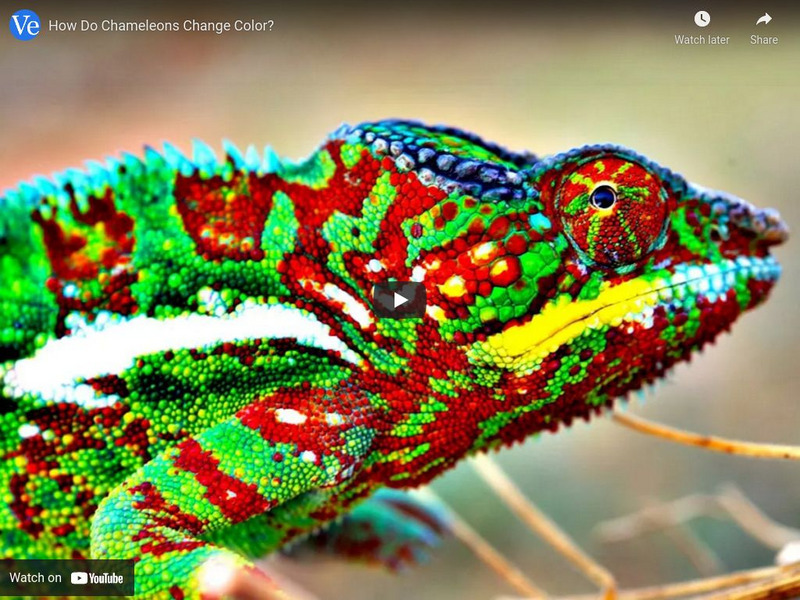
Veritasium: How Do Chameleons Change Color?
It was originally thought that chameleons change color because they need to blend in with their environment. However, new research shows chameleons actively tune nano-crystals to change their color. [5:41]

Science Friday Initiative
Science Friday: Why Don"t Spiders Get Stuck in Their Webs?
A sticky question that has plagued arachnologists for decades is finally untangled.