Hi, what do you want to do?






TED-Ed
TED-Ed: What do all languages have in common? | Cameron Morin
Language is endlessly variable. Each of us can come up with an infinite number of sentences in our native language, and we're able to do so from an early age— almost as soon as we start to communicate in sentences. How is this possible?...
Mister Simplify
Behavioural Psychology and Conditioning - Simplest Explanation Ever
Behaviourism is one of the most important concepts in human and animal psychology. Behaviourists believe it's the most robust form of psychology as it relies on emperical evidence.
Professor Dave Explains
A Brief History of Psychology: From Plato to Pavlov
Before we dive into all the particulars of modern psychology and its research methods, we need to get a little context. When was psychology first developed, and by whom? Was it scientific at that time, or more philosophical? Who was the...

Crash Course
How to Train a Brain
The influence of Ivan Pavlov, B.F. Skinner, and John B. Watson are examined in Lecture 11 in a 13-part Crash Course on psychology. Pavlov's Behaviorism School of psychology, associative learning, conditioning, and reinforcement are all...

Sophia Learning
Sophia: Pavlov, Watson, and Skinner on Behaviorist Theory
This lesson will introduce the methods, people, and theories of Behaviorism & Radical Behaviorism and their contributions to the origins of the field of psychology.
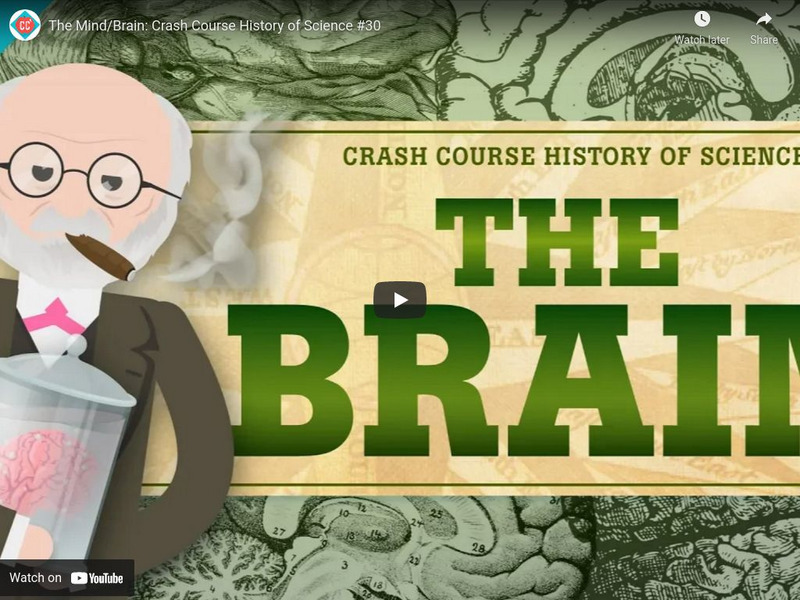
Crash Course
Crash Course History of Science #30: The Mind/brain
Scientists in the nineteenth century discovered a lot about life and matter. But exactly what kind of stuff is the human brain? That one was - and is- tricky! This video explores the different theories on the brain and human behavior...