Hi, what do you want to do?






The Association of the British Pharmaceutical Industry
Association of the British Pharmaceutical Industry: Genetic Engineering
A tutorial on genetic engineering. Students work their way through illustrations and animated tutorials about how genetic modification works and the ethical issues surrounding this scientific practice. The last two sections have...
TeachEngineering
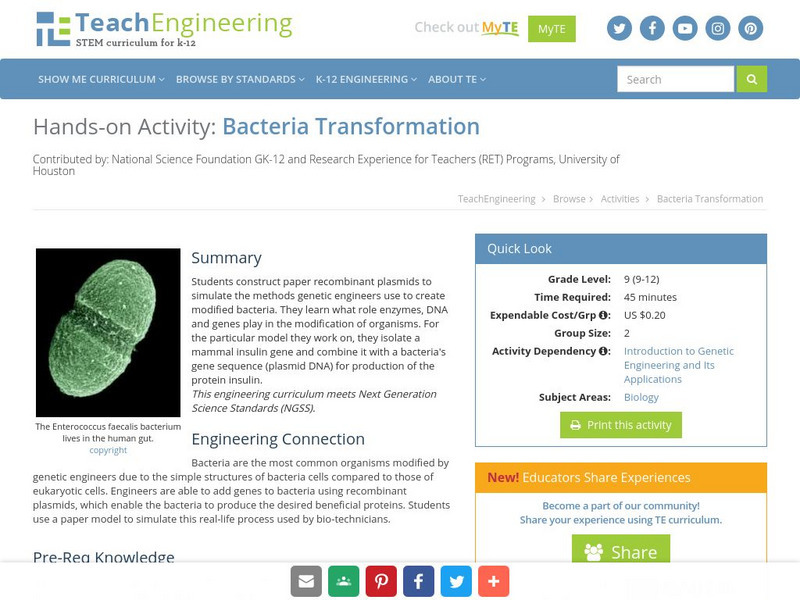
Teach Engineering: Bacteria Transformation
Students construct paper recombinant plasmids to simulate the methods genetic engineers use to create modified bacteria.
TeachEngineering
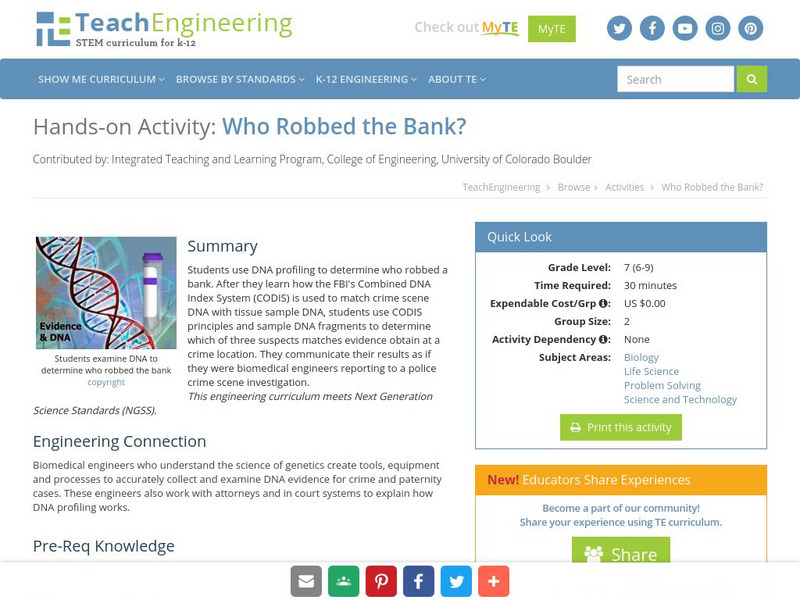
Teach Engineering: Who Robbed the Bank?
Students use DNA profiling to determine who robbed a bank. After they learn how the FBI's Combined DNA Index System (CODIS) is used to match crime scene DNA with tissue sample DNA, students use CODIS principles and sample DNA fragments...
TeachEngineering
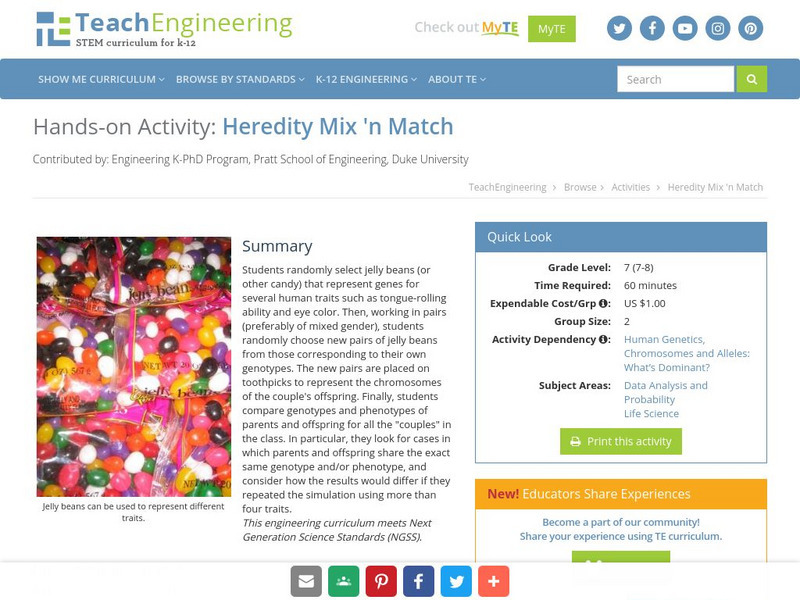
Teach Engineering: Heredity Mix 'N Match
This site includes a lesson plan designed to teach students how genetic traits are passed down from parents to offspring. Students will explore such concepts as random selection, chrosomes, genotypes and phenotypes using jelly beans and...
TeachEngineering
Teach Engineering: Engineering Out of Harry Situations
Under the "The Science Behind Harry Potter" theme, a succession of diverse complex scientific topics are presented to students through direct immersive interaction. Student interest is piqued by the incorporation of popular culture into...
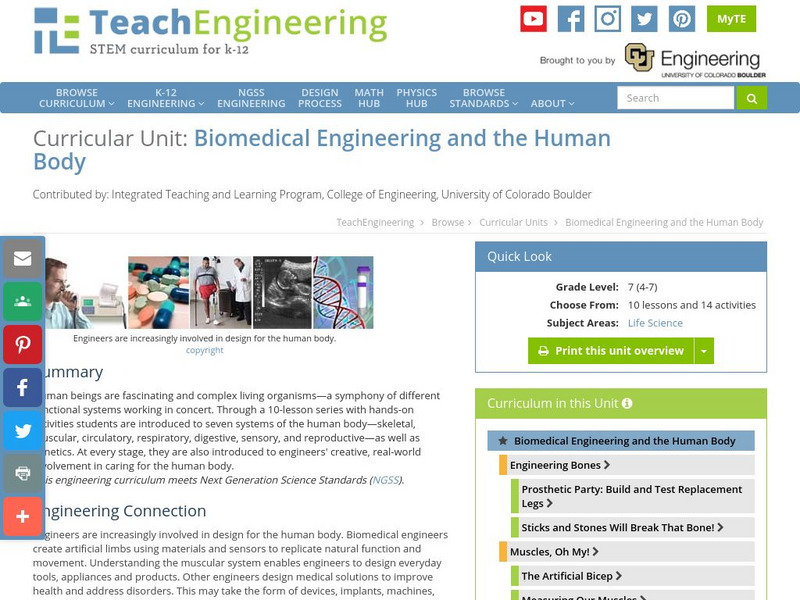
TeachEngineering
Teach Engineering: Biomedical Engineering and the Human Body
Human beings are fascinating and complex living organisms-a symphony of different functional systems working in concert. Through a 10-lesson series with hands-on activities students are introduced to seven systems of the human...
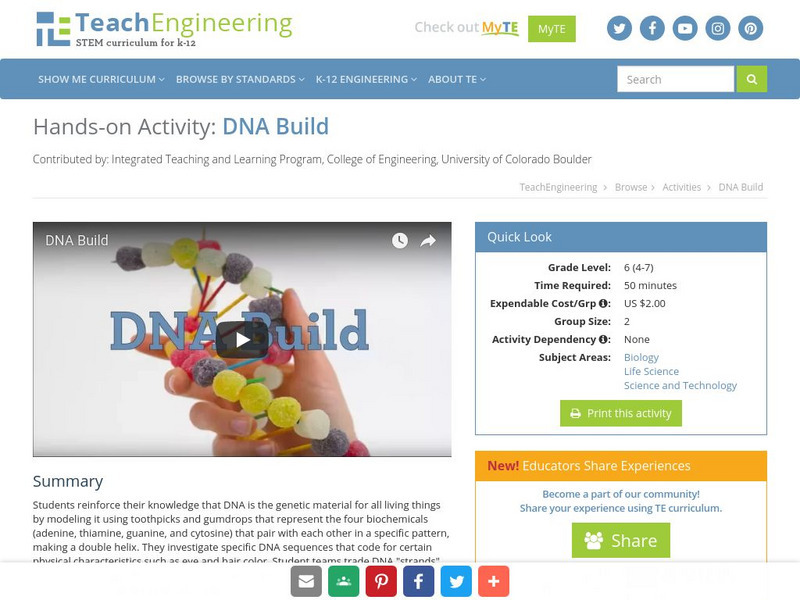
TeachEngineering
Teach Engineering: Dna Build
Students reinforce their knowledge that DNA is the genetic material for all living things by modeling it using toothpicks and gumdrops that represent the four biochemicals (adenine, thiamine, guanine, and cytosine) that pair with each...
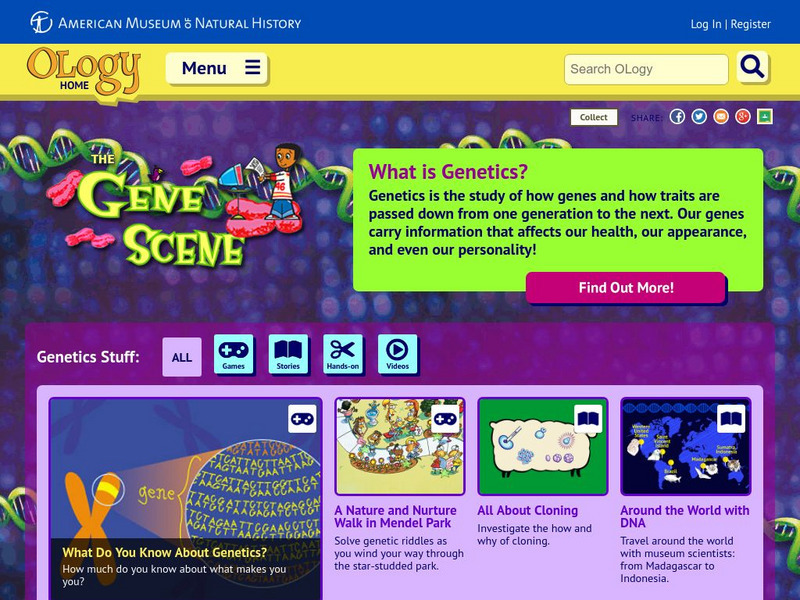
American Museum of Natural History
American Museum of Natural History: O Logy: Genetics
This site from American Museum of Natural History focuses on Genetics. It defines genetics and provides links to games, stories, videos, and hands-on activities on the topic.
The Association of the British Pharmaceutical Industry
Abpi: Biotechnology
Students read through a complete, interactive lesson on biotechnology. An activity at the end allows students to research and present arguments for or against statements about the ethics of gene therapy and gene manipulation.
TeachEngineering
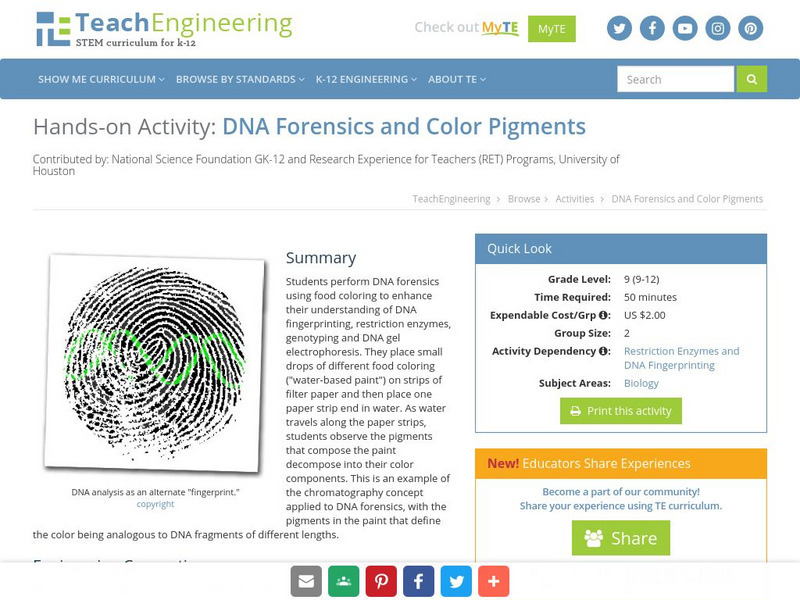
Teach Engineering: Dna Forensics and Color Pigments
Students perform DNA forensics using food coloring to enhance their understanding of DNA fingerprinting, restriction enzymes, genotyping and DNA gel electrophoresis. They place small drops of different food coloring ("water-based paint")...
TeachEngineering
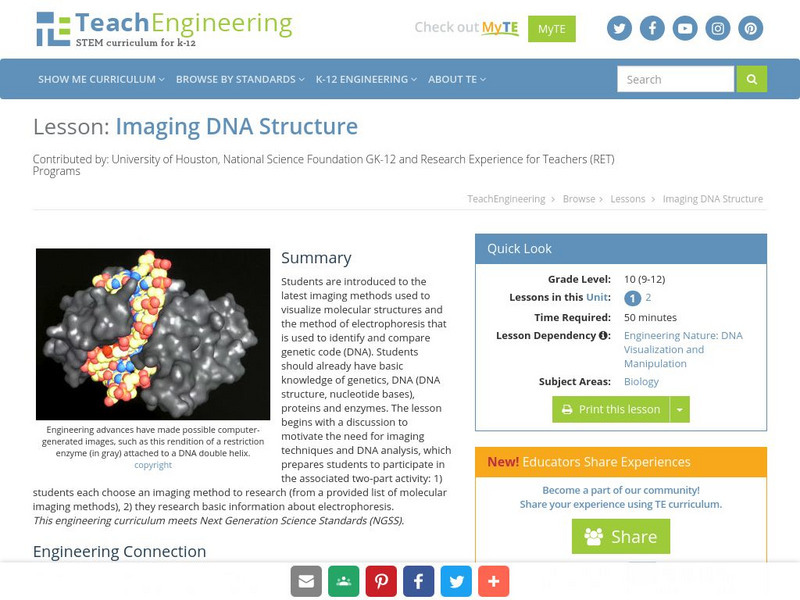
Teach Engineering: Imaging Dna Structure
Students are introduced to the latest imaging methods used to visualize molecular structures and the method of electrophoresis that is used to identify and compare genetic code (DNA). Students should already have basic knowledge of...
TeachEngineering
Teach Engineering: Mice Rule! (Or Not)
Students explore the relationships between genetics, biodiversity, and evolution through a simple activity involving hypothetical wild mouse populations. First, students toss coins to determine what traits a set of mouse parents...
TeachEngineering
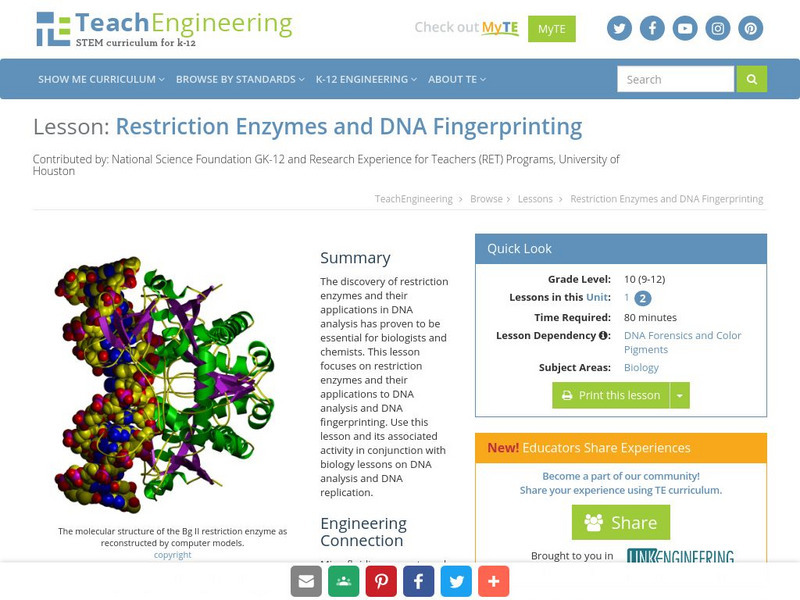
Teach Engineering: Restriction Enzymes and Dna Fingerprinting
The discovery of restriction enzymes and their applications in DNA analysis has proven to be essential for biologists and chemists. This lesson focuses on restriction enzymes and their applications to DNA analysis and DNA fingerprinting....
Other
Grace Communications Foundation: The Meatrix
This resource offers short animated videos, interactive activities, and a collection of articles and links about the major issues surrounding sustainable agriculture and factory farming. Such topics discussed are pollution, animal...
TeachEngineering
Teach Engineering: The Benefits of Biodiversity
First, students toss coins to determine what traits a set of mouse parents possess, such as fur color, body size, heat tolerance, and running speed. Next they use coin tossing to determine the traits a mouse pup born to these parents...
Encyclopedia of Earth
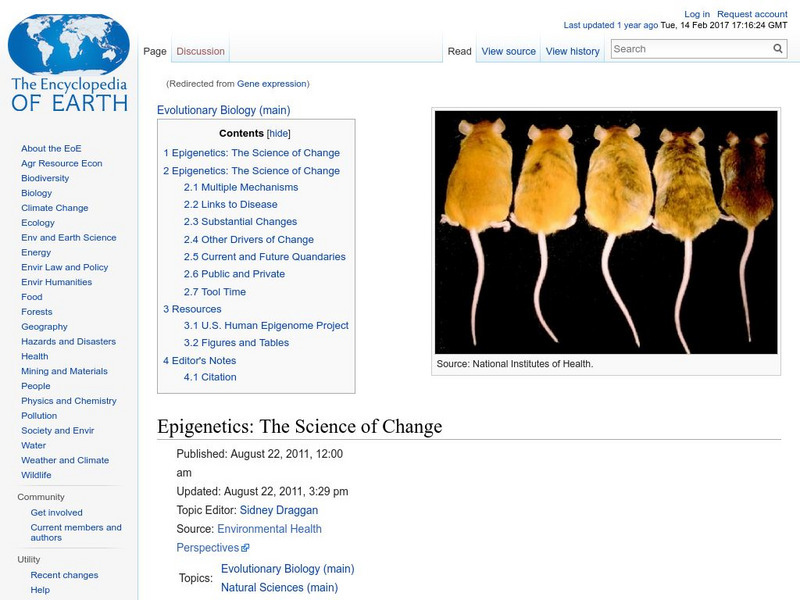
Encyclopedia of Earth: Evolutionary Biology: Epigenetics: The Science of Change
Article discusses the science of epigenetics, where gene activity can be changed by factors other than genetic code, for example, by environmental pollutants. (Published: August 22, 2011)
TeachEngineering
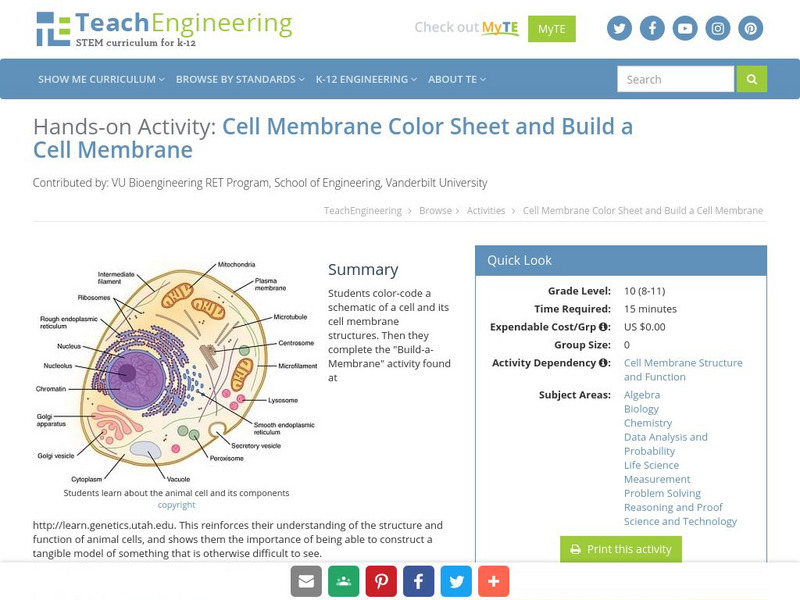
Teach Engineering: Cell Membrane Color Sheet and Build a Cell Membrane
Students color-code a schematic of a cell and its cell membrane structures. Then they complete the "Build-a-Membrane" activity found at http://learn.genetics.utah.edu. This reinforces their understanding of the structure and function of...
PBS
Pbs Teachers: Harvest of Fear
Research and debate the arguments for and against the use of genetically modified foods.

The Association of the British Pharmaceutical Industry
Abpi: Pharmaceutical Business
Take a behind-the-scenes look at the pharmaceutical business. Learn about everything from medicine research and development to human resource concerns for a drug manufacturing company. Some interactive illustrations and suggested...